Kyiv hit by another heavy Russian attack while peace negotiations unfold in Abu Dhabi - Weekend brief

 RBC-Ukraine collage
Kyiv came under a massive combined Russian attack, causing widespread disruptions to electricity and heating supplies. Points of Invincibility are operating across the city, while emergency services are dealing with the aftermath of the strikes.
For more information on what happened over the weekend, see the RBC-Ukraine report.
Kyiv under another combined enemy attack
On the night of January 24, Russia continued its act of aggression against Ukrainian civilians. The entire country remains at heightened risk of shelling, while Kyiv has already come under a massive combined attack.
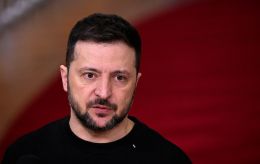
Ukrainian President Volodymyr Zelenskyy emphasized that Russia has concentrated its strikes on Ukraine's energy sector, critical infrastructure, and residential buildings.
The situation with heat supply in Kyiv remains difficult. More than 1,300 residential buildings in the capital are still without heating. Additional Points of Invincibility (emergency hubs where people can warm up, charge devices, and access the internet) are being set up across the city.
Across Ukraine, coordinated efforts are ongoing to deal with the aftermath of Russian attacks on energy infrastructure. Energy workers, heating specialists, emergency responders, and municipal services are all involved in restoration work.
Trilateral peace talks in Abu Dhabi
On Friday, January 23, negotiations involving delegations from Ukraine, Russia, and the United States began in Abu Dhabi. The Ukrainian delegation was led by Rustem Umerov, Secretary of the National Security and Defense Council.
President Volodymyr Zelenskyy said that the central topic of the meetings was the territorial issue, in particular, the situation in Donbas.
RBC-Ukraine has learned details of the talks in Abu Dhabi. During the negotiations between the delegations of Ukraine, the United States, and Russia, greater progress was made in discussions on military-related issues, while no decision has yet been reached on territorial matters.
The parties agreed to continue the meeting next week, which is considered important for a peaceful settlement of the conflict.
Zelenskyy's visit to Lithuania
Ukrainian President Volodymyr Zelenskyy and First Lady Olena Zelenska arrived in Lithuania on January 25 to take part in official events marking the anniversary of the January Uprising.
During the visit, the President stated that the date of the end of the war depends on concrete security guarantees.
At the same time, Lithuanian President Gitanas Nausėda said that Ukraine should join the European Union by 2030. He described this as a strategic step for the stability and security not only of Ukraine but of the entire region.
Trump threatens Canada with tariffs
On Saturday, January 24, US President Donald Trump threatened to impose 100% tariffs on all Canadian goods in response to a potential trade deal between Ottawa and Beijing.
Canadian Prime Minister Mark Carney said that Ottawa has no intention of signing a free trade agreement with China, dismissing the speculation that triggered a sharp reaction from Donald Trump.
Blow to Russia's shadow fleet
The British Navy escorted a Russian tanker during an operation in the English Channel. The move is part of NATO's routine efforts to monitor the movement of Russian vessels.
Situation in Iran
Iranian armed forces are on high alert and have their "finger on the trigger" as US warships head toward the Middle East.
Iran's Supreme Leader Ayatollah Ali Khamenei has reportedly moved to a fortified underground bunker in Tehran over fears of a possible US strike, while day-to-day leadership of the country is temporarily being carried out by his son, Masoud.