Russia's mobilization: How Kremlin ramps up covert conscription and why Belarus matters


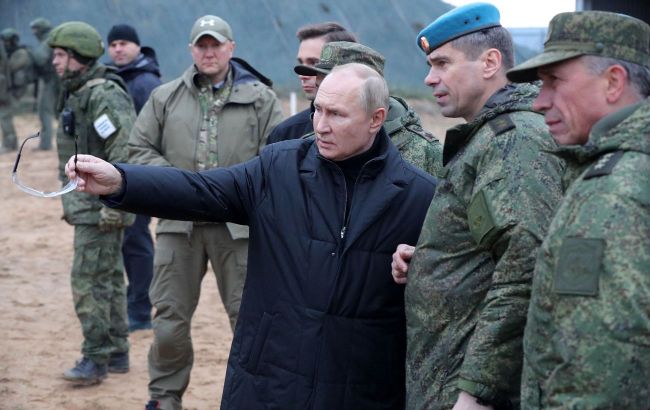 Photo: Russian President Vladimir Putin (Getty Images)
Russia’s army is unable to meet the Kremlin's objectives, but Moscow is planning to expand mobilization and is working on operations against NATO. Meanwhile, Belarus has closed a loophole allowing Russian draft dodgers to flee.
RBC-Ukraine examined what is behind Minsk's move, why Putin fears an open mobilization, and whether Russia has the resources for a hybrid war against NATO.
Key points:
- Hidden mobilization: Due to record losses, Russia is recruiting debtors, students, and introducing draft quotas for businesses.
- Closed borders: Conscription in Russia has become year-round, while Belarus has blocked escape routes for Russian draft evaders.
- No mass wave: A full-scale general mobilization is unlikely due to the Kremlin’s fear of unrest and economic collapse.
- Plans and losses: Russia aims to recruit another 406,000 people within a year, but the Ukrainian Armed Forces are eliminating troops faster than reserves are replenished.
- Threat to NATO: The accumulated manpower could be used for hybrid sabotage operations in the Baltic states.
The math of losses: Why and how Russia is ramping up mobilization
The main driver behind the deepening mobilization in Russia remains unprecedented battlefield losses.
According to Nazarii Barchuk, an analyst at the Ukrainian Center for Security and Cooperation, since early spring, Ukraine's Defense Forces have been inflicting around 35,000 enemy casualties per month. At the same time, irreversible losses stand at about 60%, significantly exceeding current recruitment rates for contract soldiers.
"As financial incentives to sign contracts are losing effectiveness, the Kremlin is turning to other methods. Special attention is being paid to socially vulnerable groups, particularly indebted prisoners. They account for about 40% of the planned recruitment, as they are easier to attract with promises of amnesty, debt write-offs, and similar incentives," Barchuk told RBC-Ukraine.
At the same time, Russia is resorting to less obvious and more covert methods. For example, as reported by the Institute for the Study of War (ISW), companies in the Ryazan region have been required to send a certain percentage of their employees to the Defense Ministry.
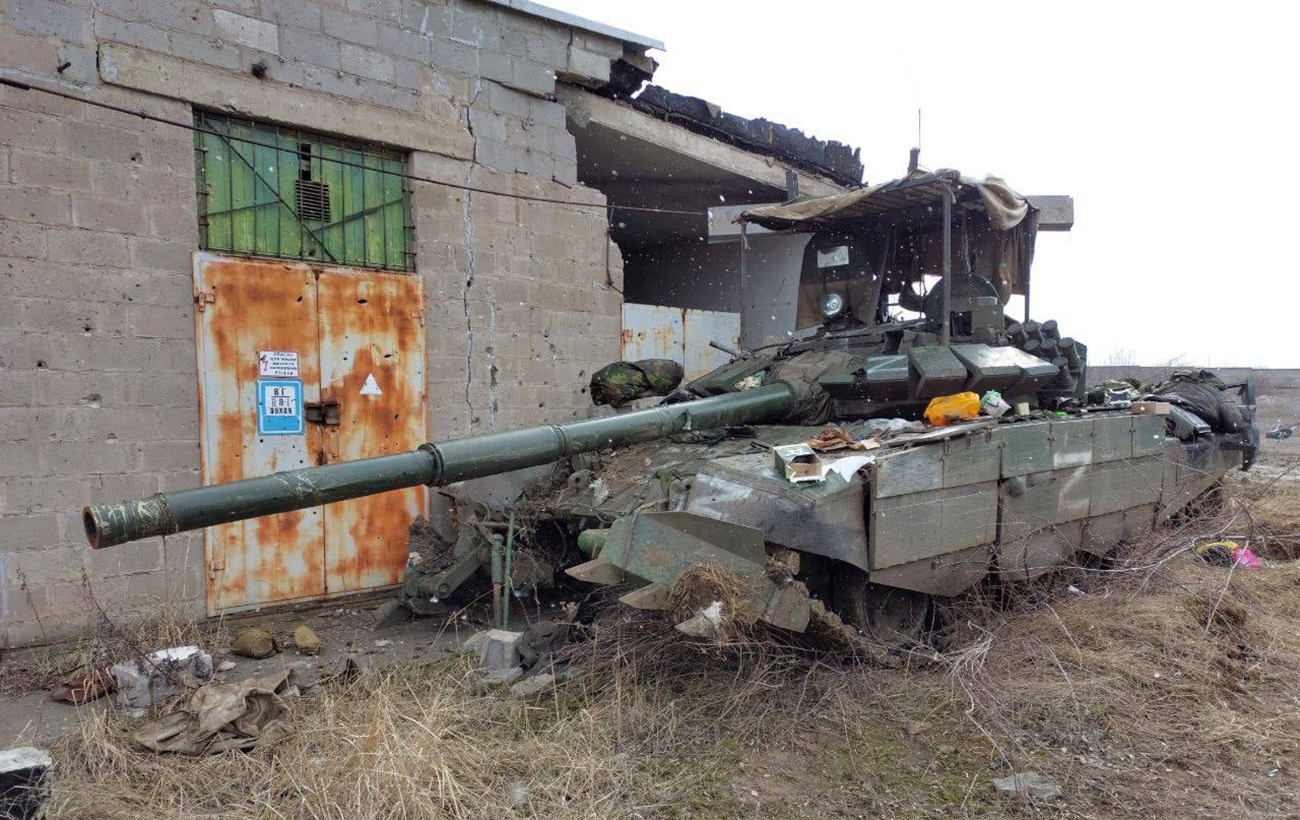
Photo: Russia is losing more troops on the front than it can mobilize (Getty Images)
At the same time, Russian outlet Verstka reported that universities in Russia are encouraging students to sign contracts with unmanned systems units, using manipulative promises that they will not be sent to the zero line.
In addition, by order of the Kremlin leader, instead of the traditional spring and autumn draft waves, conscription into mandatory military service in Russia will take place throughout all of 2026. As ISW explained, this will allow Moscow to draft more conscripts with greater flexibility and at any time of the year.
Russia is also trying to offset its manpower shortage by recruiting foreigners into its military. According to Ukraine's Defense Intelligence, citizens of 136 countries are currently fighting in the Russian army. The total number of recruited foreigners has reached 28,000.
Belarus and conscripts
Reports have emerged in the media that Belarus has closed a loophole used by Russian draft dodgers to escape military service. Previously, conscripts banned from leaving Russia would travel to Belarus and then flee to Georgia or other countries. Now, those banned from leaving Russia will not be able to exit Belarus either.
According to Barchuk, security forces had already been searching for and extraditing Russian fugitives from Belarus since March. The decision to close the border may be one of the indicators that Russia is preparing to intensify mobilization.
"Such reports about border closure and detentions may indicate not only close cooperation between senior officials of the two states, but also the introduction of a harsher model of mobilization. In this case, closing the borders is a preventive measure aimed at fully restricting evasion of this forced service," the expert said.
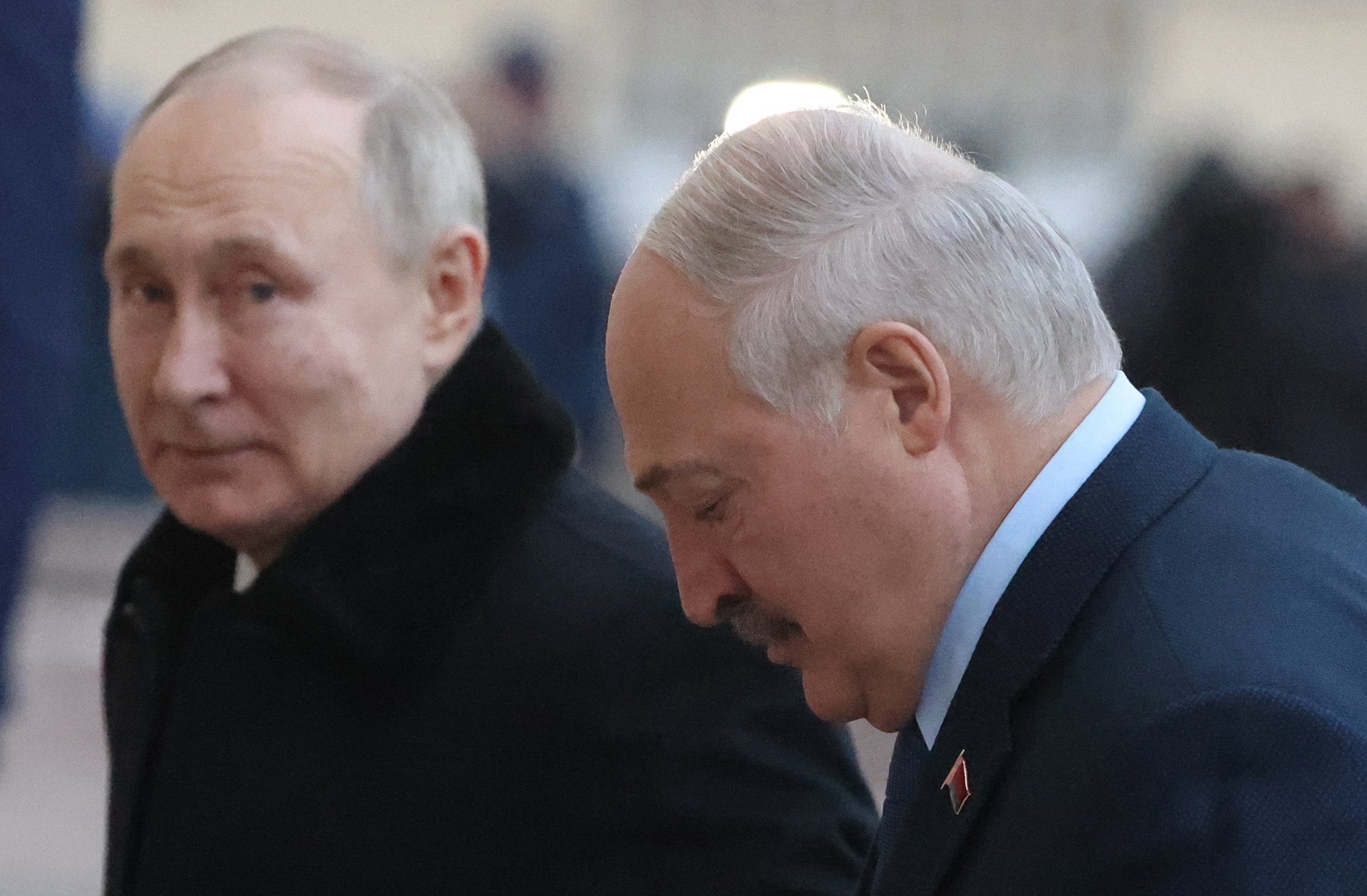
Photo: Vladimir Putin and Alexander Lukashenko (Getty Images)
As military expert Pavlo Narozhnyi explains, closing the borders is critical for replenishing Russia’s infantry, which is partly formed from conscripts.
"The fact that conscripts are ending up on the front line is undeniable. This primarily concerns residents of temporarily occupied territories — Crimea, Donetsk, and Luhansk regions. They are either sent to the front or replace Russian contract soldiers in the rear. In other words, all these measures are aimed at preventing conscripts and those subject to mobilization from fleeing. This is very important for replenishing Russia’s army," he told RBC-Ukraine.
General mobilization is a taboo for the Kremlin
Despite the manpower shortage, experts agree that an open mobilization in Russia is unlikely. The main reason is the Kremlin's fear of its own population and the risk of economic collapse.
"Russian authorities are literally afraid of protests and any form of resistance from the public that could arise from the introduction of forced, large-scale mobilization. The Kremlin is trying to keep this issue as hidden as possible, while not abandoning its goal of recruiting a significant number of personnel," Barchuk believes.
As Narozhnyi notes, public support for the authorities in Russia is gradually declining. According to recent pro-government polling, Putin's approval rating has dropped from 79% in 2024 to 66.7% in April 2026.
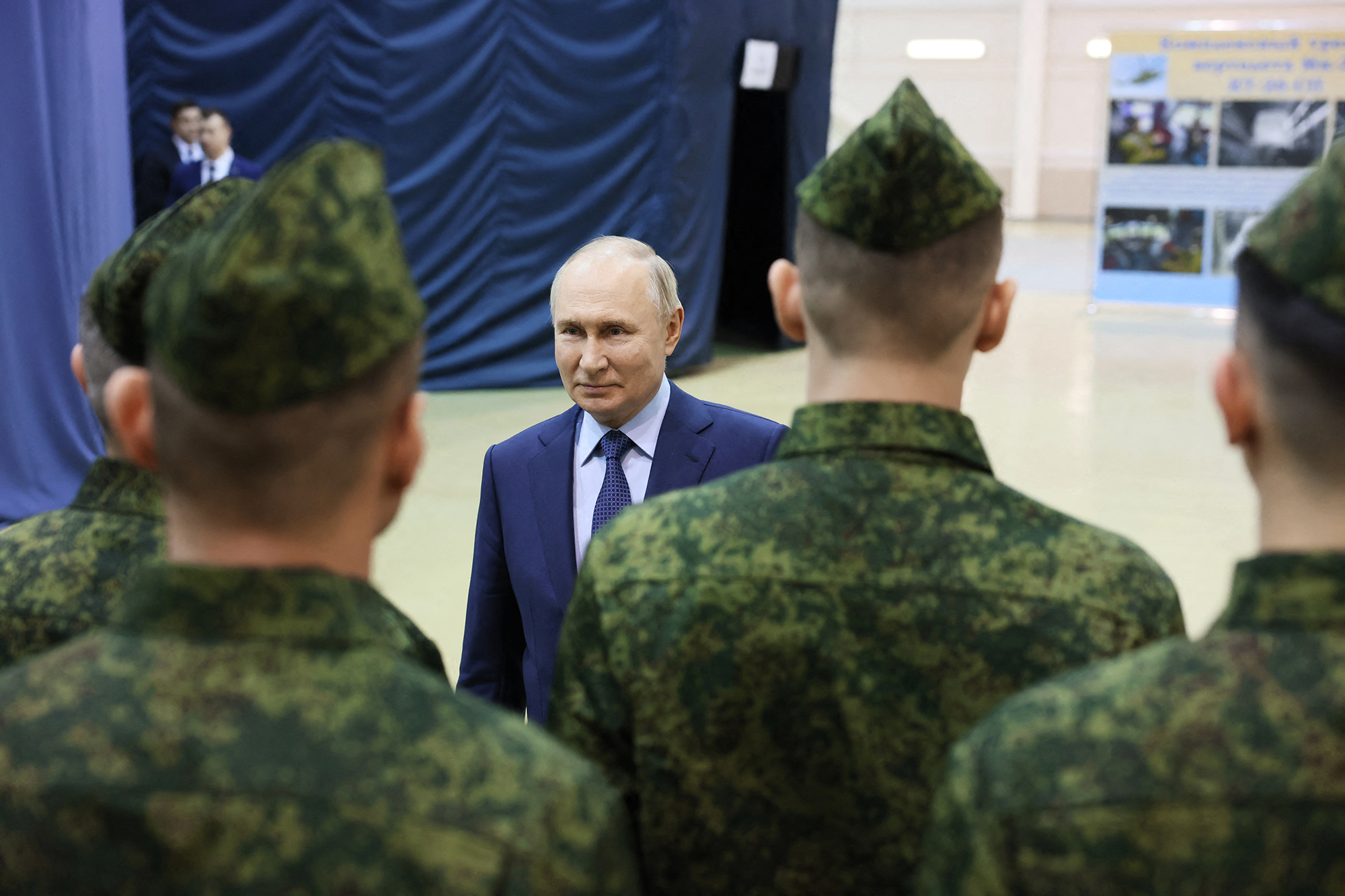
Photo: Putin fears declaring general mobilization (Getty Images)
The first attempt at large-scale mobilization at the start of the full-scale invasion led to around 2 million economically active people leaving Russia, Narozhnyi recalled. Today, Russia is facing serious economic problems, and Putin, according to the expert, understands this.
"Well, let's say they mobilize 1 million people now. Even more will panic and go into hiding. They will look for legal or illegal ways to leave. Putin understands this, so I am more than convinced he will not go for a large-scale open mobilization. Quite simply, they cannot afford it economically," Narozhnyi explained.
Therefore, the Russian authorities will continue to act in a hybrid manner — concealing the true scale of the draft, introducing quotas for businesses, and restricting internet access to suppress any signs of dissent.
400,000 for the front and a threat to the Baltic states
According to figures previously voiced by Commander-in-Chief Oleksandr Syrskyi, Russia plans to mobilize more than 400,000 people this year. That is roughly 34,000 per month, or about 1,100 per day. However, according to Barchuk, Ukraine's military command is acting preemptively.
"The Defense Forces are actively working to counter this as much as possible, eliminating enemy troops in greater numbers than Russia plans or can recruit. This effectively undermines their offensive capabilities," the expert noted.
At the same time, Russia may use the accumulated manpower not only in Ukraine. As President Volodymyr Zelenskyy has repeatedly warned, Russia could carry out hybrid operations against NATO, particularly targeting the Baltic states.
In Narozhnyi’s view, this would not involve a classic ground offensive against strong Alliance members such as Poland, but rather hybrid sabotage operations against smaller states.
"But drawing in a country like Latvia or Lithuania — why not? It doesn’t actually require that many resources. They could launch the same Shahed drones there or carry out sabotage operations — for example, destroying a power plant or something similar. Such actions are entirely possible, and I would not rule them out," he concluded.
Read also: