Russia set to ramp up mobilization and open new fronts - Zelenskyy

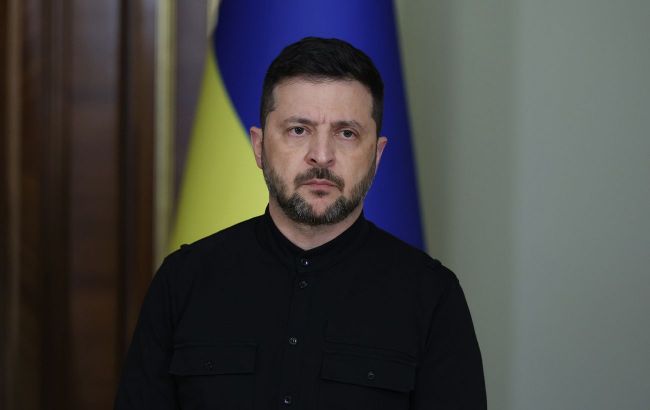 Photo: Volodymyr Zelenskyy, President of Ukraine (Getty Images)
Despite staggering battlefield losses, Russia is preparing to expand mobilization and launch new offensive operations, claims Ukrainian President Volodymyr Zelenskyy.
Following a briefing from Oleh Ivashchenko, head of Ukraine's military intelligence (HUR), the president stressed that even Russians themselves acknowledge their inability to fulfill the objectives set by their political leadership.
"Ukraine's Defense Forces are degrading the offensive potential of the Russian army, with irreversible losses among the occupiers now reaching about 60% of total casualties," Zelenskyy said.
He added that despite these staggering losses, the political leadership of the aggressor state is planning further offensives and preparing to expand mobilization in Russia.
"Accordingly, Ukraine's task is to increase further the share of irreversible losses inflicted on the occupier, densify the use of drones along the frontline, and scale up our long-range sanctions against Russia’s weapons production and oil sector," the president emphasized.
Earlier, Ukraine's military intelligence reported that Russia's Defense Ministry plans to recruit at least 18,500 foreign nationals this year. Priority is being given to citizens of Central Asian countries, including Kazakhstan, Kyrgyzstan, Uzbekistan, and Tajikistan.
In addition, the aggressor state continues to use manipulative schemes to recruit residents of Crimea into its armed forces. Despite promises to keep conscripts serving within the peninsula, in reality, they are being sent to the front en masse.
It is also noted that there has been an unusual rise in demand for occult and psychic practices among Russian troops. This trend may indicate a crisis of trust in traditional religious institutions, particularly the Russian Orthodox Church.
RBC-Ukraine also reported that Polish Prime Minister Donald Tusk believes Russia could attack a NATO country within the coming months, not years. He also expressed doubts about whether the United States would respond adequately to such an attack.