Trump's 'short excursion' turns into fuel chaos amid Iran conflict

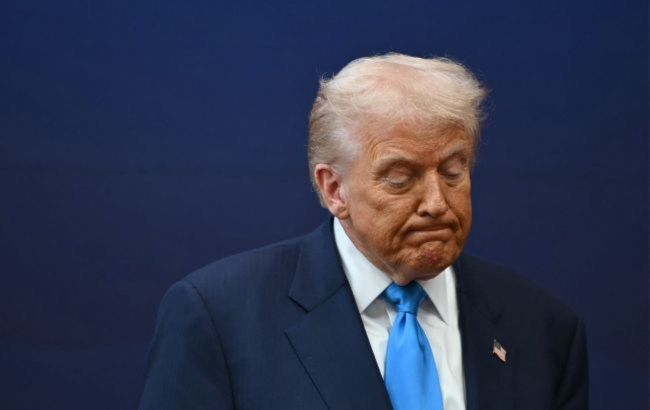 US President Donald Trump (photo: Getty Images)
The US war with Iran is entering its third week and slipping out of President Donald Trump's control amid a surge in oil prices and NATO allies' refusal to intervene in the conflict, according to Reuters.
Strategic miscounts, Iran's response
Analysts say the Trump administration underestimated Tehran's readiness for an asymmetric response.
Using the remnants of its missile arsenal and a fleet of drones, Iran has effectively blocked the Strait of Hormuz, through which a fifth of the world's oil supply passes.
"Trump has built himself a box called the Iran war, and he can't figure out how to get out of it," former Middle East negotiator Aaron David Miller says.
Crisis of trust among allies
Tensions have intensified over the past week between Washington and its NATO partners, which have refused to deploy their naval forces to reopen shipping lanes in the Persian Gulf.
There have also been signs of a lack of coordination with Israel regarding strikes on Iran's gas infrastructure.
At the same time, the White House insists that Operation Epic Fury is effective. Administration officials report the elimination of key Iranian leaders and the destruction of most of Iran's fleet and ballistic missiles.
US consequences
The US President initially predicted the military campaign would be a "short excursion," but the conflict has now turned into a prolonged confrontation with the risk of ground troop involvement.
The military is now deploying thousands of additional marines to the Middle East. However, the drawn-out conflict is already weighing on Trump's approval ratings due to rising fuel prices.
"People will start to say: 'Why am I paying high gas prices again? Why is the Strait of Hormuz now determining whether or not I can take a vacation next month?'" Republican strategist Dave Wilson says.
US-Iran conflict: What we know
The large-scale escalation began in late February 2026. Despite Washington's expectations of a swift operation, key allies refused to assist Trump, leaving the United States to secure shipping in the Persian Gulf on its own.
Amid partners' inability to join a naval coalition, Donald Trump sharply criticized NATO countries, calling their actions insufficient in the face of threats to global trade.
The economic aftermath of the conflict is already being felt globally. Earlier, Reuters identified the countries most affected by the surge in oil prices and the blockade of the Strait of Hormuz.
Against the backdrop of prolonged fighting, the White House is searching for ways out of the crisis. The US president has already offered Iran options for a peace deal, issuing an ultimatum over Tehran's nuclear program.