Russia triples Iskander missile production: Analysts revealed a contributor

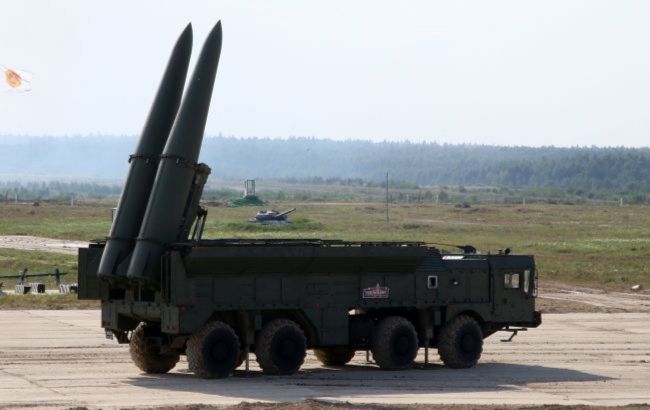 Photo: China helped Russia increase production of Iskander-M missiles (Getty Images)
Russia has tripled production of ballistic missiles for Iskander-M systems, largely due to imports from China, the Center for Strategic and International Studies (CSIS) reports.
China emerges as Russia's key supplier
CSIS analysts say China has become a critical factor in restoring Russia's military production capacity following the introduction of Western sanctions.
In 2024, trade turnover between China and Russia reached nearly $250 billion, up from $190 billion in 2022. China's share of Russia's foreign trade rose to 33.8%, compared with 11.3% in 2014.
Particularly important are dual-use goods that Russia uses for military purposes. These include computer chips, machine tools, radar systems, sensors, and other components that Russia cannot produce domestically in sufficient quantities.
In addition, in 2024, China accounted for 70% of Russia's imports of ammonium perchlorate—a critical component used in ballistic missile fuel.
Beijing boosts Russia's strike capabilities
Analysts have also documented deliveries of drone airframes, lithium batteries, and fiber-optic cables, all essential for producing attack drones that Russia uses in its war against Ukraine.
According to Ukraine's defense intelligence, as cited by Defense Express, as of December 2025, Russia was producing around 50 9M723 missiles per month, with an estimated stockpile of about 200 missiles. By comparison, between February 2022 and January 2023, Russia produced only 36 such missiles.
As a result, Chinese exports have directly contributed to a threefold increase in the production rate of Iskander missiles, which Russia continues to use in strikes against Ukrainian cities.
At the same time, China's Foreign Ministry has officially denied that Beijing is assisting Russia in the production of ballistic missiles.
Russia's economic decline
Russia has sharply increased gold exports to China, while its reserves have fallen to their lowest level in years.
The Russian economy ended 2025 in a deep crisis. Oil prices dropped to a five-year low, and development in Russia's space sector has reportedly regressed to 1961 levels.
Meanwhile, the US has intensified sanctions pressure. President Donald Trump signed a bipartisan law that significantly expands restrictions on Russia.
Russia's oil export revenues have fallen by approximately 20% compared with 2024, due to declining global energy prices.
In addition, the EU is also expected to approve its 20th sanctions package against Russia on February 24.
At the same time, new data from Ukrainian intelligence point to a critical condition of regional budgets in Russia, forcing local authorities to cut administrative staff.