Russia threatens systematic attacks on Kyiv: What's behind

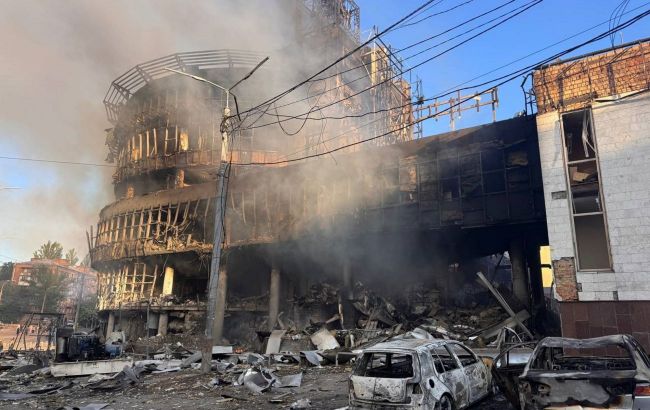 Photo: The aftermath of the Russian strikes on Kyiv on May 24 (RBC-Ukraine)
Russia has threatened a series of strikes on Kyiv and urged foreigners to leave the city. The Institute for the Study of War (ISW) explains why this is not a response to Ukraine’s actions, but rather a result of the Kremlin’s own failures.
On May 25, the Russian Ministry of Foreign Affairs warned of systematic strikes on targets within Ukraine’s defense-industrial complex, including drone manufacturing and design facilities, command centers, and headquarters in Kyiv.
The Russian Foreign Ministry urged foreign citizens, diplomats, and international organizations to leave Kyiv. City residents were advised to avoid areas with military and government infrastructure.
Three failures Putin trying to hide
According to the ISW, the new threats are an attempt to divert attention from his own difficulties:
- Humiliation due to the need to ask Ukraine for permission to hold a Victory Day parade on May 9
- Failures on the battlefield, the spring-summer 2026 offensive operation is yielding no significant results due to Ukrainian counterattacks, superiority in drones, and medium-range strikes
- Growing economic pressure within Russia, which is fueling public dissatisfaction with Kremlin leader Putin.
Starobilsk excuse is manipulation
Russia issued a threat in response to an alleged Ukrainian strike on May 21–22 against a college in occupied Starobilsk, Luhansk region. The same excuse was used for the massive strike on May 23–24, with over 90 missiles and 600 drones.
But it is impossible to prepare such a large-scale strike in 24–48 hours. The planning took several weeks.
Furthermore, Russia has not provided evidence that the strike targeted a civilian facility exclusively. Ukraine has stated that a military camp was located on the college grounds. Russia has previously stationed military targets in civilian buildings.
Why strike now?
ISW notes that Russia traditionally intensifies strikes ahead of important negotiations or following its own setbacks. The goal is to derail or prolong the peace process.
Strikes on Kyiv began to intensify as early as the night of May 12–13, less than 24 hours after the Victory Day ceasefire ended. This occurred over a week before the strike on Starobilsk.
Russia also deliberately exploited the global shortage of Patriot interceptor missiles to maximize the impact of its strikes, particularly those using ballistic missiles.
On May 25, Russian Foreign Minister Sergey Lavrov called US Secretary of State Marco Rubio to spread the Kremlin’s narrative that it is Ukraine and its partners who are undermining the peace process.
On the night of May 24, Russia launched a massive strike on Ukraine, over 90 missiles and more than 600 drones. Residential buildings, government buildings, and cultural landmarks in Kyiv were hit. Over 90 people were injured, and 3 were killed.
Meanwhile, Ukraine has stabilized the front line, said Ukrainian President Volodymyr Zelenskyy.