Russia’s hypersonic missiles could reach London: Norway warns of new threat

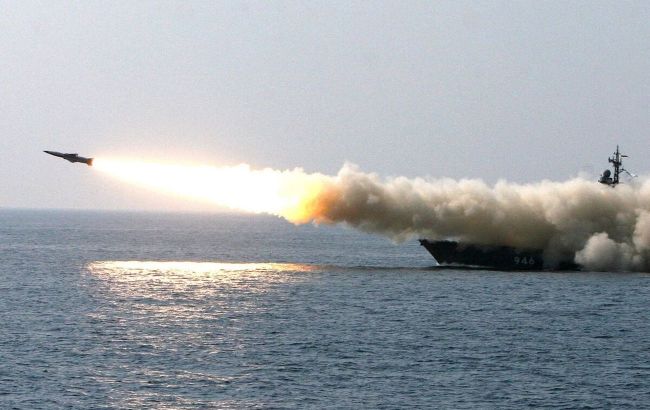 Photo: launch of a Russian missile (Russian media)
The main hotspot of tension has become the strategically important strait between mainland Norway and the Svalbard archipelago. Gaining control over this area would allow Moscow to establish a so-called "bastion defense" around its own forces and provide its ships with easy access to the Atlantic Ocean.
For the United Kingdom and other allies, this poses a direct threat, as NATO would lose the ability to track Russian submarine movements.
Zircon hypersonic missiles
A potential threat comes from Zircon hypersonic cruise missiles, which are capable of carrying nuclear warheads. In addition, Russia continues to develop the Poseidon stealth underwater drone with a nuclear propulsion system.
According to Norway’s Defense Minister, if Russian forces gain control of the northern strait, the range of their hypersonic weapons would cover London, Norway, and Denmark.
The outlet notes that NATO’s maritime defense logic is based on blocking narrow passages through which the Russian fleet can reach the world’s oceans.
Currently, the Alliance effectively controls two of these three routes: the Bosphorus Strait at the entrance to the Black Sea and the Danish Straits, which block access from the Baltic Sea. The third, northern route remains an area of potential escalation.
The EU is increasingly expressing concern about a possible expansion of Kremlin aggression. There are fears that the Russian President may try to move beyond the Ukrainian front and increase pressure on European countries.
Earlier, Reuters reported that NATO is already working on scenarios of a possible armed confrontation with Russia in the Baltic states. In particular, the Alliance plans to strengthen its eastern flank with a new military structure that would ensure rapid deployment of forces to Latvia and Estonia in case of a threat.