Russia eyes Starlink alternative, unveils new drone tactics — ISW

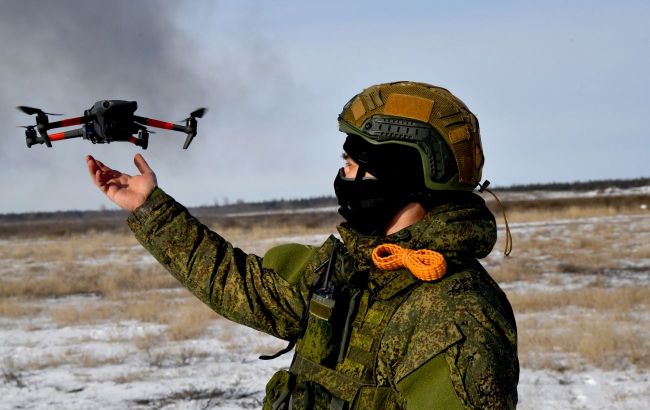 Photo: Russians are looking for an alternative to Starlink (Getty Images)
The Russian military is seeking alternatives to Starlink for controlling drones on the front lines. To this end, Russians are actively deploying low-cost drones such as the Molniya, adjusting their strike tactics, according to the Institute for the Study of War (ISW).
Read also: Russian forces’ Starlink alternative fails: Intel exposes front-line coordination problems
According to analysts, the Russians are actively striking targets 40–50 km behind the front lines. Specifically, in the Kupiansk direction, they are using Molniya drones for this purpose, which serve as so-called mother drones.
How new Russian tactics work
According to Ukrainian military officials, the Molniya transports FPV drones to the rear, after which they attack targets. Civilian vehicles and infrastructure facilities are often hit.
The Institute for the Study of War notes that this tactic aligns with Russia’s broader air interdiction campaign aimed at disrupting Ukraine’s logistics.
At the same time, Ukrainian military officials report significant Russian losses: in just three days, over 100 Molniya drones were destroyed in one sector alone.
Russia looking for Starlink replacement
After access to Starlink was restricted, Russian troops faced difficulties in controlling drones and command systems.
To compensate, they are attempting to use alternative communication methods:
- Radio transmissions
- Fiber-optic lines
- Kometa satellite system.
However, as the military notes, these solutions are slower and less effective than Starlink.
According to ISW estimates, since Starlink was restricted on February 1, Russian troops have faced difficulties on the front lines. This has impacted their strike capabilities and command-and-control (C2) systems. Despite this, Russia continues to adapt and is seeking ways to restore the effectiveness of its drone operations in Ukraine’s rear.
Starlink block
When Russian troops began using drones equipped with Starlink internet, Ukraine appealed to SpaceX founder Elon Musk to restrict their access, and the billionaire unexpectedly sided with Ukraine.
Access to Starlink for Russian troops was blocked. As a result, Russian units on the battlefield faced massive communication disruptions, which significantly complicated the command and control of their forces.
Russian attempts to switch to alternative means of communication proved less effective, creating additional problems for them on the front lines.