Russian forces’ Starlink alternative fails: Intel exposes front-line coordination problems

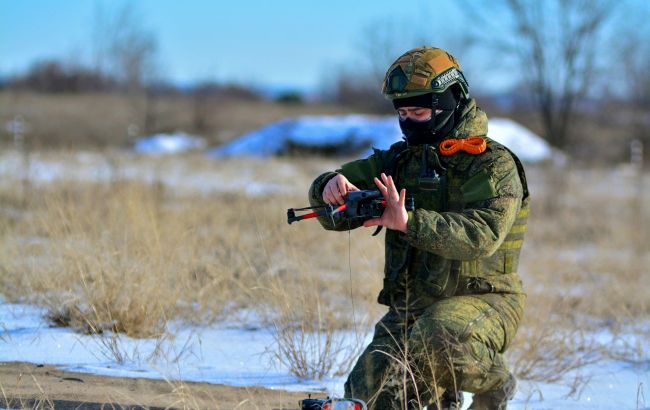 Illustrative photo: the Defense Intelligence explained how the loss of Starlink affected the Russian forces (Getty Images)
Russian units along the front line have experienced widespread satellite communication outages, which immediately affected their troop command. This created problems for the Russian army, and their alternatives did not work, according to the Defense Intelligence of Ukraine.
According to intelligence, due to the loss of access to stable satellite internet, Russian military forces are attempting to use their own communication systems; however, their capabilities fall far short of Western technologies.
Russian 'alternatives' do not work reliably
The Russian army is trying to use alternative terminals operating through the Yamal satellite series; however, this system does not provide stable communication or video transmission.
Due to the limited number of satellites, it cannot cover the entire front line, and the main resources of the satellite group are used to serve subscribers in Russia.
Intercepted communications of Russian military personnel indicate that even with such devices, the connection is often unstable and does not allow for effective data transmission to command posts.
Consequences for Russian forces
The Defense Intelligence notes that issues with Starlink have already affected unit coordination, logistics, and the use of unmanned systems — both ground and aerial. This complicates the interaction of Russian troops and reduces the effectiveness of their combat operations.
What is known about the Starlink blockade
After Russian military drones equipped with Starlink terminals appeared, Vice Prime Minister and Minister of Digital Transformation Mykhailo Fedorov appealed to SpaceX founder Elon Musk to limit the use of satellite communication by Shahed-type drones. Musk stated that the company was ready to assist in addressing this issue.
Subsequently, SpaceX implemented technical restrictions: Starlink modems automatically shut down if the device moves faster than 90 km/h, which significantly complicated their use on drones. As a result, Russian units faced problems on the front line and were forced to reduce the intensity of assault operations.
The Ministry of Digital Transformation also reported the launch of a whitelist mode — a system of verified terminals that will operate reliably for Ukrainian users while remaining inaccessible to the enemy.
At the same time, according to available data, Russian forces are attempting to bypass the restrictions by forcing families of Ukrainian prisoners of war to register terminals under their own names.