Iran studies Russia's war against Ukraine to prepare for future conflicts — FT

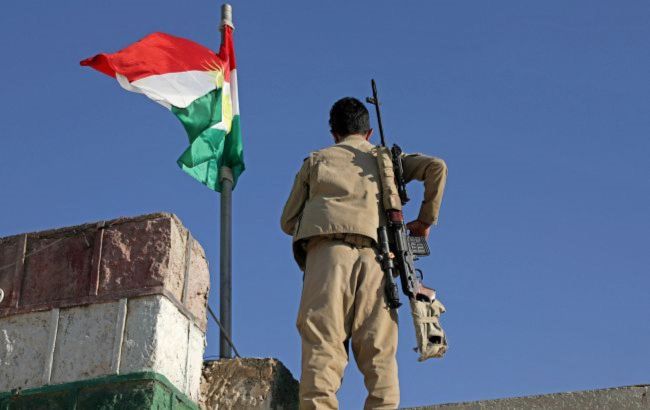 Iranian military (photo: Getty Images)
Iran has spent several years analyzing the war in Ukraine to better understand how modern warfare is conducted. Lessons from the conflict are being closely examined in the country's defense publications, according to the Financial Times.
Hossein Dadvand, one of Iran's military commanders involved in training soldiers, has openly called for change. He stressed that Ukraine has demonstrated the importance of cheap, mass-produced drones and domestic defense manufacturing.
Dadvand proposed expanding drone development, integrating artificial intelligence, and making the military more mobile.
"The Russia-Ukraine war was one of the cases that we examined carefully. One of the most important points in that war was the widespread use of small drones and artificial intelligence," he said.
Iranian military journals frequently emphasize that drones have become one of the key elements of modern warfare. Significant attention is also given to cyberattacks and emerging technologies.
Valuable experience, Iranian army problems
Iranian military officials are closely monitoring not only Russia's actions but also Ukraine's resistance to a stronger adversary. Iran considers this experience particularly valuable.
At the same time, Iranian publications acknowledge internal problems within the armed forces, including weak planning, a shortage of specialists, and the need to modernize equipment. The military proposes faster adoption of new technologies and better preparation for emerging threats.
There is also an ongoing debate within the Iranian armed forces over whether priority should be given to developing drones or purchasing expensive fighter jets. Some experts argue that Iran should pursue both while also rebuilding outdated infrastructure.
Meanwhile, Iranian parliament speaker Mohammad Bagher Ghalibaf declared a "victory" over the United States. According to him, although Washington has military superiority, it failed to overthrow the regime or gain full control over the Strait of Hormuz.
Earlier, Iran officially refused to hand over its enriched uranium to the United States despite pressure from Washington. Tehran said it will not hold face-to-face meetings with the American side until it sees real steps in return.