Trump warns Iran over rejecting new deal, sends negotiators to talks

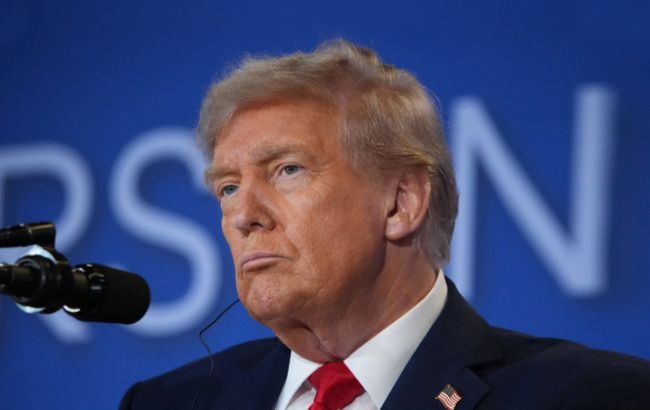 US President Donald Trump (photo: Getty Images)
Iran opened fire on foreign vessels in the Strait of Hormuz, violating a ceasefire agreement. In response, the United States issued an ultimatum: Tehran must accept the terms of a new deal, or American forces will destroy the country's critical infrastructure, according to President Trump.
Vessels under attack, Hormuz situation
The US leader said Iranian forces attacked a French ship and a British cargo vessel, and stressed that these actions are a direct violation of existing agreements.
He also noted that Iran's announcement of closing the strait is meaningless, as it is already blocked by US forces. Due to this blockade, the Iranian side is losing about $500 million per day, while the United States is not incurring losses.
Infrastructure demolition threat, negotiations
To resolve the crisis, an American delegation is heading to Islamabad, Pakistan, where talks are scheduled for tomorrow evening.
Trump emphasized that Washington offers a "fair deal" but will not make concessions if it is rejected.
"I hope they take it (the deal – ed.) because, if they don't, the United States is going to knock out every single power plant, and every single bridge, in Iran. No more Mr. Nice Guy! It's time for the Iran killing machine to end!" the US president said.
Trump added that, if Tehran refuses, he is prepared to do what "other presidents should have done for the past 47 years."
Shift in logistics routes
Maritime shipping routes are being redirected amid escalating tensions in the strait.
According to the White House, many vessels are now heading to US ports in Texas, Louisiana, and Alaska for unloading, thereby benefiting the US economy.
Diplomatic deadlock
Previously, Iran officially refused to hand over its enriched uranium to the United States despite pressure from Washington. Tehran said it does not plan to hold face-to-face meetings with the American side until it sees real steps in return.
In addition, Iranian parliament speaker Mohammad Bagher Ghalibaf declared a "victory" over the United States. According to him, although the United States has military superiority, it has failed to topple the regime or gain full control over the Strait of Hormuz.
At the same time, Donald Trump's advisors within the United States are urging the president to limit spontaneous interviews and statements. They fear that the leader's sharp rhetoric could undermine the complex negotiation process currently underway.