Georgia could face EU sanctions over Russia: What it’s being penalized for

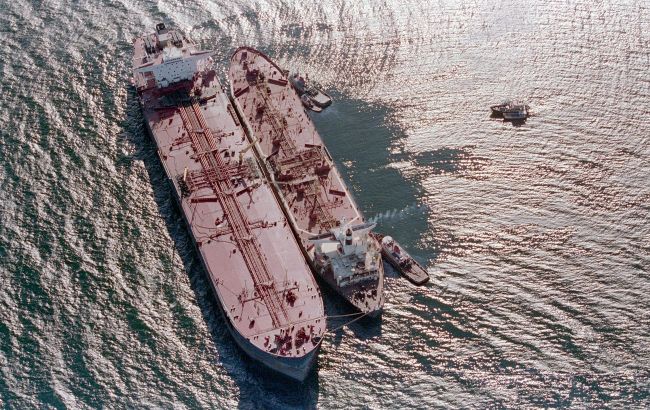 Photo: Ports in Georgia and Indonesia face potential sanctions over Russian oil (Getty Images)
The European Union has, for the first time, proposed including ports in third countries — Georgia and Indonesia, which handle Russian oil — on its sanctions list, according to Reuters.
Read also: Ukrainian army chief reveals results of January strikes on Russian oil facilities
The outlet, citing a document prepared by the European Commission and the European External Action Service, states that the ports in question are Kulevi (Georgia) and Karimun (Indonesia).
If the European Union approves the proposed sanctions, European companies and private individuals would be prohibited from conducting operations with these two ports.
The agency emphasizes that this is the first time the EU has proposed measures targeting ports in third countries as part of its sanctions against Russia.
Sanctions against Russia
The European Union plans to approve its next 20th package of sanctions against Russia on February 24. The new measures are expected to primarily target the Russian shadow fleet, which generates revenue from oil exports for Moscow.
Earlier, German Foreign Minister Johann Wadephul stated that the sanctions package is intended to reduce Russia’s energy profits, weaken the operations of the shadow fleet, and block schemes used to bypass existing restrictions.
Meanwhile, the United States continues to increase sanctions pressure on Russia. US President Donald Trump signed a bipartisan law significantly expanding the tools available for enforcing sanctions.
In addition, in October 2025, the US imposed restrictions on Russia’s two largest oil companies, Rosneft and Lukoil, to strengthen economic pressure on the Kremlin and compel it to negotiate with Ukraine.
Furthermore, the UK, together with NATO allies, is discussing the possibility of seizing tankers linked to Russia’s shadow fleet. This could mark a new stage of economic and military-political pressure on the aggressor country.