Britain signals it could seize ships tied to Russia's shadow fleet – The Guardian

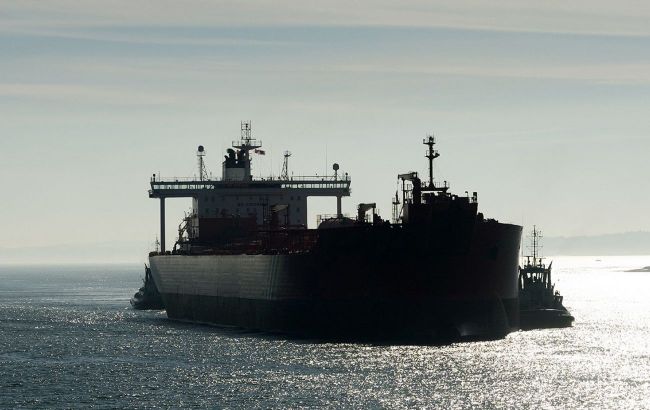 Illustrative photo: Britain is ready to seize ships of Russia's shadow fleet (GettyImages)
Britain, together with NATO allies, is discussing the possibility of seizing Russian-linked tankers from the so-called shadow fleet. This could mark a new stage of economic and geopolitical pressure on Moscow, according to The Guardian.
Discussion of military options
According to sources cited by the British Ministry of Defence, military options for seizing the vessels were considered during consultations with allies. Last month, the Royal Marines held a special briefing for parliamentarians on threats from Russia, including the situation in the Arctic and northern regions.
Some attendees noted that the marines are ready to carry out an order to seize a vessel if instructed.
Shadow fleet and Russian oil exports
According to Lloyd's List Intelligence, just in January, 23 vessels from the shadow fleet were spotted in the English Channel and the Baltic Sea using false or altered flags. Most of these ships are involved in transporting Russian oil to China, India, and Turkey.
The report notes that ships without clear jurisdiction could theoretically be subject to seizure under maritime law. However, Western countries have so far refrained from such actions due to the risk of escalation.
Risk of Russian response
Analysts believe that an operation led by Britain or European countries could provoke a stronger reaction from Moscow than actions by the United States. At the same time, risks could be lower if the vessels are intercepted far from the Baltic Sea or the Arctic.
British Defence Secretary John Gilley previously stated that allies are considering military options, and that any seized oil could potentially be sold, with the proceeds directed to support Ukraine.
Scale of the shadow fleet
Currently, more than 200 vessels are linked to Russia's shadow fleet, although most transportation is increasingly carried out under the Russian flag. Despite sanctions, Russian oil exports remain stable at over 5 million barrels per day, meaning the impact of seizing individual ships on the Russian economy could be limited.
Sanctions against Russia
The European Union plans to approve its 20th sanctions package against Russia on February 24. The new restrictions are expected to target the Russian shadow fleet, which provides Moscow with revenue from oil exports.
Earlier, German Foreign Minister Johann Wadephul said the sanctions package aims to reduce Russia's energy profits, disrupt the shadow fleet, and block schemes to bypass existing restrictions.
At the same time, the United States continues to increase sanctions pressure on Russia. President Donald Trump signed a bipartisan law significantly expanding the tools available for enforcing sanctions.
In October 2025, the US also imposed restrictions on Russia's two largest oil companies, Rosneft and Lukoil, to strengthen economic pressure on the Kremlin and push it toward negotiations with Ukraine.