World Health Organization prepares for nuclear risk as Iran conflict escalates

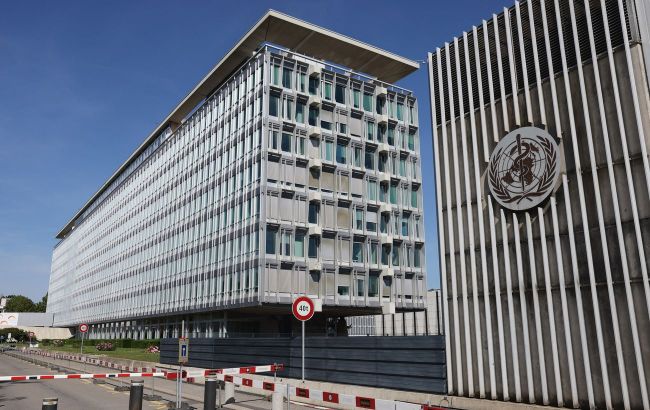 World Health Organization prepares for nuclear catastrophe amid escalation of war in Iran (photo: Getty Images)
Officials of the World Health Organization are preparing for a nuclear catastrophe if the United States and Israel's war with Iran continues to escalate, the regional director of the World Health Organization for Eastern Mediterranean, Hanan Balkhy, said in an interview with Politico.
"The worst-case scenario is a nuclear incident, and that's something that worries us the most. As much as we prepare, there's nothing that can prevent the harm that will come … the region's way — and globally if this eventually happens — and the consequences are going to last for decades," Balkhy said.
According to her, the staff of the World Health Organization is ready for a nuclear incident in its "broader sense", including an attack on a nuclear facility or the use of nuclear weapons. They are "just really hoping that it does not happen".
As of today, no signs of radioactive contamination have been recorded in the Middle East. But an increase in radiation levels can lead to significant immediate injuries to lungs and skin, as well as increase the risk of cancer and mental health problems, the regional director of the World Health Organization explained.
"I think those who read the history of previous incidents, whether intentional or accidental, are very aware of what we're talking about," Balkhy said.
She added that the World Health Organization is retraining its staff on response in case of a nuclear incident, including providing recommendations to officials on public health risks and on what measures people should take to protect themselves.
The war of the United States and Israel against Iran
On February 28, Israel, together with the United States, launched a military operation against Iran.
As a result of strikes on the first day of war, the supreme leader of Iran, Ayatollah Ali Khamenei, was killed.
In response, Tehran began to strike countries of the Middle East, including Kuwait, Saudi Arabia, Qatar, the United Arab Emirates, Jordan, Azerbaijan, and Türkiye, which came under attack.
Iran also blocked the passage of vessels through the Strait of Hormuz, one of the key routes of oil transportation in the world. This caused a sharp increase in global oil prices and a rise in logistics costs due to higher fuel prices.
In addition, there were reports that Iran could have mined the Strait of Hormuz. Pentagon stated that if this information is confirmed, the United States may strike Iranian vessels in the region.
President of the United States Donald Trump said that the United States had effectively won the war against Iran, and the question is only when hostilities will end.
Later, he said that he is not ready to declare victory in the war against Iran, although he is convinced that Tehran suffered a devastating defeat.