What to expect from Armenia's election: Political analysts weigh in


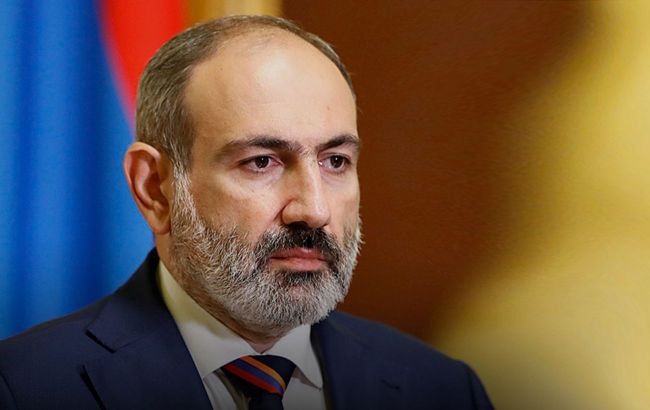 Photo: Armenian Prime Minister Nikol Pashinyan (Getty Images)
On Sunday, June 7, parliamentary elections will take place in Armenia. It remains open whether incumbent Prime Minister Nikol Pashinyan will retain power, according to the RBC-Ukraine article Battle for Armenia's future: Can Pashinyan resist Moscow and stay on a Western course.
According to Armenian political analyst Stepan Grigoryan, the main intrigue is whether Nikol Pashinyan will once again be able to secure a single-party majority.
"Whether there will be more than 50% of the vote or not is the key question. Because it is a tough fight, considering that Russia is using various methods of hybrid warfare," he said.
According to polls, about one-third of voters have still not made a decision.
"On the one hand, there are people who truly haven't made up their minds yet. These are apolitical individuals who do not participate in elections at all. And there are those who have made a decision but, for one reason or another, do not want to express their position," explained political analyst Ruben Mehrabyan.
He pointed out that Russia's attempts to pressure Armenia could, on the contrary, mobilize pro-European voters. Therefore, the question now is whether Pashinyan will receive a simple majority or a constitutional two-thirds majority of seats.
Mehrabyan notes that some pro-European citizens have begun to view Pashinyan skeptically and may support other parties that, on the one hand, are not pro-Russian, and on the other, offer an alternative to the current government.
"There is a segment that has become disappointed with the current government due to the slow pace of reforms. They will not vote for pro-Putin forces, but the question is whether they will go to the polls at all. And if they do, who they will vote for," the political analyst added.
Elections in Armenia
Parliamentary elections in Armenia will take place on June 7.
US President Donald Trump expressed full and unconditional support for incumbent Prime Minister Nikol Pashinyan, calling him "a great friend and leader."
Reuters, citing Western intelligence agencies, reported possible Russian attempts to influence the voting results in favor of pro-Russian forces. Moscow rejected those allegations.
Russia increased pressure on Armenia over its intentions to deepen cooperation with the EU. Russian Energy Minister Sergei Tsivilev warned of a possible suspension of preferential supplies of gas, petroleum products, and diamonds.
Russian Deputy Foreign Minister Mikhail Galuzin also stated that Armenia's course toward European integration is "absolutely unacceptable" for Moscow. He stressed that, in Russia's view, such steps are inconsistent with Yerevan's obligations within the Eurasian Economic Union (EAEU).
Earlier, Russian president Vladimir Putin warned Pashinyan against further rapprochement with the EU, threatening a "Ukrainian scenario." Putin urged Yerevan to coordinate its foreign policy decisions with the Kremlin and take Moscow's position on European integration into account.