US prepares to seize oil tankers linked to Iran — WSJ

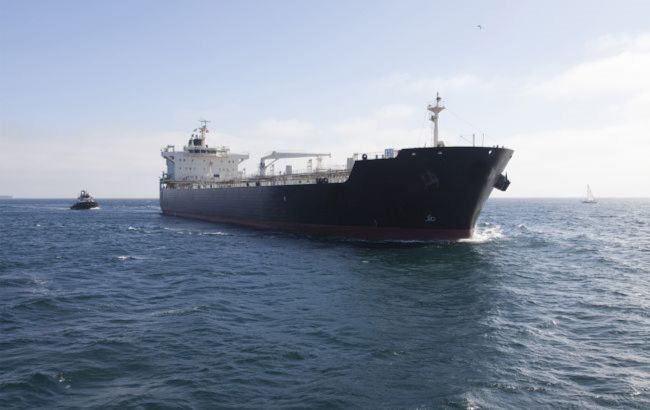 Washington aims to pressure Iran into a deal (photo: Getty Images)
The US forces plan to board and seize Iran-linked oil tankers and commercial vessels in international waters in the coming days, according to The Wall Street Journal.
The outlet says the Trump administration's decision to intensify economic pressure on Tehran is aimed at forcing the Iranian regime to reopen the Strait of Hormuz and make concessions on its nuclear program.
The planning comes as Iranian forces continue to tighten control over the strait, having attacked several commercial vessels on April 18 and claiming the waterway is under Iran's strict control.
The attack came a day after Iranian Foreign Minister Abbas Araghchi said the passage was fully open to commercial shipping, a statement that US President Donald Trump welcomed the day before.
Meanwhile, US Central Command says that over several days of a naval blockade initiated by Washington, the United States has already turned back 23 vessels attempting to leave Iranian ports.
However, the expansion of the campaign described by the WSJ would allow the United States to take control of Iran-linked ships worldwide, including vessels carrying Iranian oil that are already outside the Gulf, as well as ships transporting weapons that could support the Iranian regime.
Background
A ceasefire between the United States and Iran remains in place, and the two sides are currently holding indirect talks through mediators to reach a peace agreement. However, unclear is how close the sides actually are to a deal, as their accounts differ.
About a week ago, Trump decided to initiate a blockade of the Strait of Hormuz for vessels traveling to or from Iranian ports or linked to Iran, after Tehran reportedly refused to abandon its nuclear weapons program during talks in Islamabad.
However, on Friday, April 17, Iran announced it was lifting its blockade of the Strait of Hormuz, after Israel stopped hitting Lebanon, and a ceasefire also came into effect between those countries.
Trump, for his part, claimed that Iran had fully reopened the strait, although Tehran provided some clarifications. At the same time, the US president said the American blockade would remain in place until Iran fully reaches a deal with the United States.
By the evening of April 18, and even earlier that morning, reports emerged that Iran was again closing the strait, saying it would remain closed until the United States restores full freedom of navigation.