Iran announces closure of the Strait of Hormuz

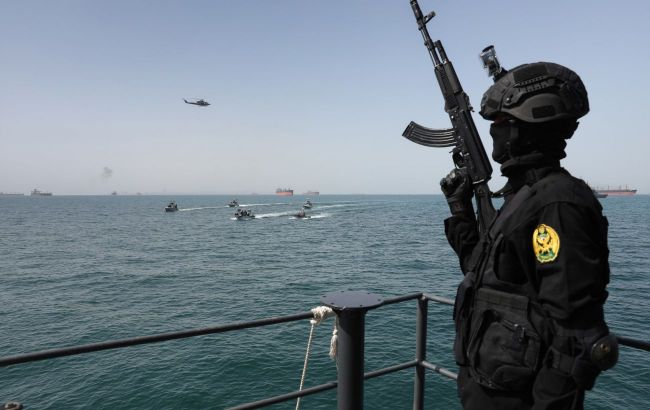 Photo: Strait of Hormuz (Getty Images)
The situation around the Strait of Hormuz is escalating — Iran has announced strict control over transit and accused the US of violations, according to Iranian media and The Guardian.
Read also: Strait under lock again? Oil tankers turn away near Hormuz
According to Mehr News Agency, a spokesperson for Iran's Central Headquarters of the Khatam al-Anbiya organization said that transit through the strait has returned to a regime of strict military control.
Iran explained the decision by US actions, including a naval blockade, which Tehran called "piracy."
"For this reason, control of the strait of Hormuz has reverted to its previous state, and this strategic waterway is under the strict management and control of the armed forces," the statement of Iran's armed forces operational command was quoted by The Guardian.
According to the statement, the strait will remain closed "until the US restores the complete freedom of navigation."
"Until the US restores the complete freedom of navigation for vessels from an Iranian origin to a destination, and from a destination back to Iran, the situation in the strait of Hormuz will remain strictly controlled and in its previous state," the statement said.
The head of the National Security and Foreign Policy Committee of Iran's parliament, Ebrahim Azizi, said that the Strait of Hormuz has been closed again and blamed the US for the situation.
"We warned you, but you ignored it. Now ENJOY the Strait of Hormuz returning to the status quo," he wrote on the social network X.
Situation around the Strait of Hormuz
Despite Iran's statements about reopening the Strait of Hormuz, the situation around the key route remains unstable. Amid the ceasefire between Israel and Hezbollah, Tehran announced the resumption of shipping, but the US has not lifted its naval blockade, creating contradictory conditions for vessel passage.
This has already affected markets — oil prices fell sharply, with Brent crude losing more than 10%.
At the same time, shipowners are acting cautiously: some tankers, after attempting to pass through the strait, are turning back or stopping near the entrance, indicating that high risks to shipping persist.