Strait under lock again? Oil tankers turn away near Hormuz

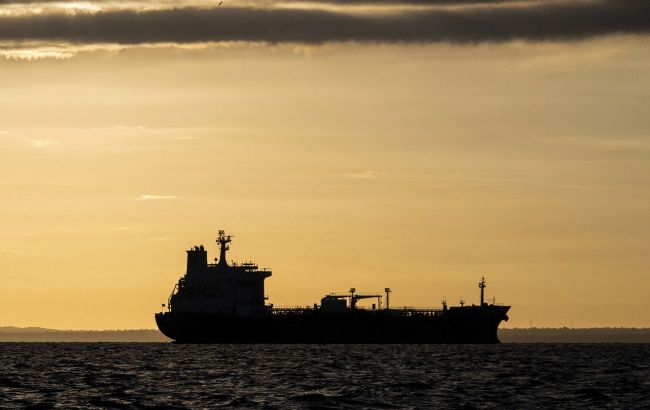 Photo: oil tanker (Getty Images)
Uncertainty surrounding the Strait of Hormuz is forcing shipowners to change plans: even after Tehran's announcement that the waterway is open, vessels are not rushing to enter the corridor, according to Bloomberg.
Several oil tankers have turned around in the Persian Gulf after attempting to pass through the Strait of Hormuz. Shipowners and traders are trying to determine whether Iran is truly guaranteeing safe passage through this strategic route.
At least six vessels are involved, including Greek and Indian tankers that were heading toward Hormuz from areas near Dubai. All of them were loaded with oil, but on the morning of Saturday, April 18, they began changing course.
Some of the ships are now located near Iran’s Qeshm Island, while others have effectively come to a stop. One tanker has completely stopped transmitting its location signal.
In total, these vessels are carrying about 8.3 million barrels of oil. Their transit could have marked the largest volume of shipments through the strait in a single day since the start of the regional conflict.
Despite Iran’s statements about reopening the Strait of Hormuz, the situation remains contradictory. In particular, Iranian sources have suggested the possibility of closing the passage again if the US blockade continues.
According to industry sources, shipowners received radio warnings instructing them to coordinate passage with Iranian military forces.
At the same time, movement of other vessels has been observed in the region. Some LNG and petroleum product tankers have also changed course and returned to the Gulf of Oman.
The situation around shipping in the Strait of Hormuz has escalated amid conflicting signals from the parties to the conflict. Following reports of a possible ceasefire, Iran announced the opening of the strait for commercial vessels during a 10-day truce between Israel and Hezbollah.
This announcement immediately affected markets — oil prices fell sharply, with Brent crude losing more than 10%.
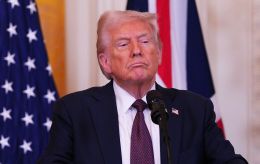
Additional uncertainty is created by the position of US President Donald Trump, who said that a maritime blockade of ships heading to Iranian ports would remain in place until a broader long-term agreement is reached. This means that despite the formal reopening of the strait, shipping risks remain high.