UK uses Ukraine's battlefield lessons to build drone force — The Telegraph

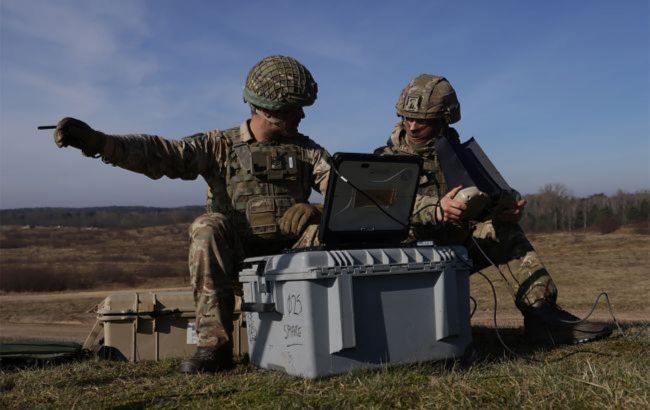 The British army will adopt Ukrainian experience (photo: Getty Images)
The British army establishes a new task force to accelerate the deployment of drones across its armed forces. The primary mission will be to rapidly and at scale introduce autonomous weapons to counter threats posed by Russia, according to The Telegraph.
Why UK creates new unit
The outlet says the new team is part of the Defense Investment Plan (DIP) unveiled this week by Keir Starmer.
The plan allocates £5 billion to expand the use of military drones and autonomous weapons systems.
The British unit is modeled in part on Ukraine's Unmanned Systems Forces, which operate as a separate branch of the military. Unlike Ukraine's structure, however, the British task force will not be an independent service. It will bring together personnel from the Army, Royal Navy, Royal Air Force, and Royal Marines under the command of a senior officer.
"Its mission will be to bring together people, data, and machines to solve real operational problems quickly, at scale, and at lower cost," the defense plan states.
A defense source also confirmed that many decisions within the UK Ministry of Defense are being shaped by lessons learned from Ukraine's fighting against Russian forces.
Where will the money go, and what drones military to receive
The United Kingdom currently has about 10,000 drones in its military inventory. By comparison, Ukraine uses an estimated 200,000 drones each month to defend itself against Russian aggression.
Under the investment plan, the funding will be allocated as follows:
- For the Air Force: Apache helicopter units will receive 24 armed drones by 2030 to operate alongside combat aircraft.
- For ground forces: £50 million will be invested in new FPV attack drones and interceptor drones. The funding will also support the development of unmanned ground vehicles capable of delivering supplies or operating on the front line.
- For the Royal Navy: Type 45 destroyers, which are scheduled to be retired in the 2030s, will be replaced by lower-cost vessels designed to command fleets of maritime drones.
"Ukraine has shown the speed, scale and impact of drone warfare and this Government is investing £5 billion to accelerate the use of drones and autonomous systems across the Armed Forces," a UK Ministry of Defense spokesperson said.
The spokesperson added that the new task force will develop long-range reconnaissance and strike capabilities, enabling new technologies to reach the battlefield much faster rather than waiting years for traditional procurement programs to be completed.
UK army reform
The UK Armed Forces have launched a major modernization of the country's defense sector in response to the realities of modern warfare in Eastern Europe. London is placing particular emphasis on rearming its military and reshaping tactics across all branches of the armed forces.
Previously, reports emerged that Britain is reforming its Army, drawing on the experience of the Ukrainian Armed Forces as it prepares a sweeping overhaul of its ground forces using lessons from real combat.
The new strategy calls for the widespread adoption of advanced unmanned systems and a comprehensive review of outdated approaches to warfare.
The modernization also extends to the naval component of the British defense. In response to the Russian threat, the Royal Navy is overhauling its defense strategy and completely revising its modernization plans.
Instead of investing in the costly construction of traditional destroyers, the Ministry of Defense has decided to focus on modern hybrid vessels capable of coordinating large numbers of autonomous maritime drones.