British Navy upgrades defenses amid growing Russian threat

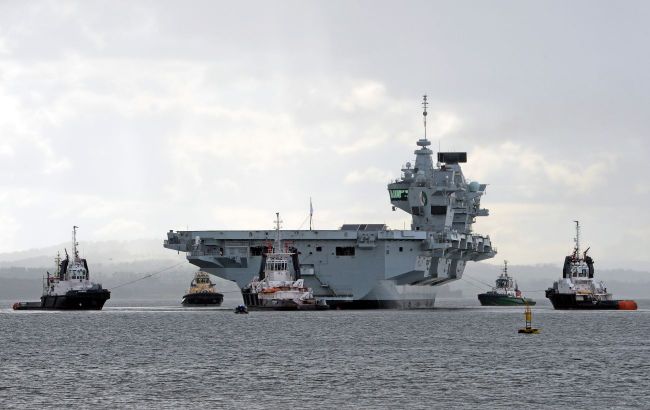 Photo: British Navy ships (Getty Images)
The United Kingdom is radically changing its strategy for modernizing the Royal Navy. London has abandoned plans to build new destroyers in favor of modern hybrid vessels equipped with drones, according to The Independent.
Common combat vessels (CCVs) will replace the Type 83 destroyers at sea. The United Kingdom plans to acquire at least six such vessels. Construction of these ships is expected to begin as early as the 2030s.
The new ships will serve as bases for drones. The Ministry of Defense aims to expand the fleet’s firepower without a proportional increase in crew size or costs. The vessels will operate alongside Type 26 and Type 31 frigates.
Old plans for guided-missile destroyers have been officially scrapped from the investment program.
Why British Navy’s paradigm shift so dramatically?
It’s all due to Russia’s increased activity in the Atlantic. Ministers are concerned about the condition of undersea cables, so the navy will receive autonomous underwater drones and sensor platforms. This will allow for effective monitoring of the Kremlin’s activities.
To counter these threats, the United Kingdom is launching three special programs:
- Atlantic Bastion
- Atlantic Shield
- Atlantic Strike.
They are aimed at protecting the North Atlantic and the Far North. Russian submarines will no longer feel at ease in these waters.
Hunt for Russia's shadow fleet
British commandos will receive 500 million pounds for high-speed boats and strike drones. Elite units will focus on the Arctic Circle.
Officials say the equipment can be used to seize vessels belonging to Russia’s shadow fleet.
The issue of funding was complicated. Former Defense Minister John Healey even resigned over budget disputes. His successor, Dan Jarvis, secured an additional 14.5 billion pounds. This is less than what the military had requested, but enough to launch a large-scale modernization effort.
Context
The Royal Navy is currently facing a major problem with its submarines. The difficulties have reached such a level that none of the existing submarines is currently on patrol.
Earlier, British Navy Commander Gwyn Jenkins stated that the United Kingdom is close to losing control of the Atlantic to Russia for the first time since World War II.