Trump surprised Iran hasn't bowed to pressure — Witkoff

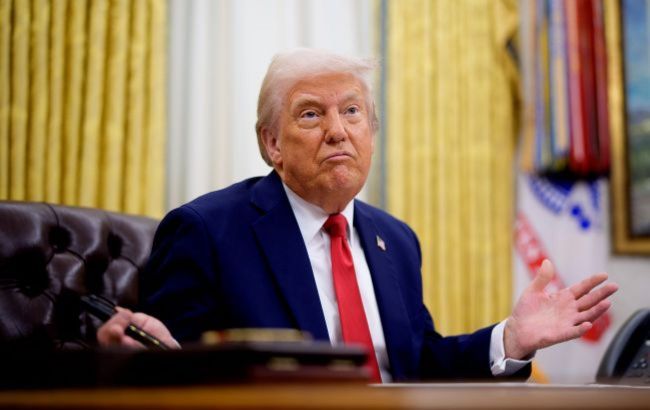 US President Donald Trump (photo: Getty Images)
US President Donald Trump expressed surprise that Iran has still not agreed to limit its nuclear program, despite the United States increasing its military presence in the region, presidential special envoy Steve Witkoff reported.
Read also: Iran's leader prepares for assassination: NYT reveals secret backup plan
Trump's stance, military pressure
The envoy notes that Washington has deployed significant naval and air forces to the Middle East. The US president expected Tehran to show more flexibility amid this backdrop.
"I don't want to use the word 'frustrated,' because he understands he has plenty of alternatives, but he's curious as to why they haven't... I don't want to use the word 'capitulated,' but why they haven't capitulated," he said citing Trump.
According to Witkoff, Trump does not understand why, under such pressure, Iran is not entering direct talks about abandoning its nuclear ambitions.
Nuclear enrichment threat
He emphasized that the situation is becoming critical, as Iran is enriching uranium to 60%, far exceeding civilian energy needs. He warned that delays pose serious global security risks.
"They're probably a week away from having industrial, industrial-grade bomb-making material, and that's really dangerous," the special envoy said.
The US currently demands that Tehran not only halt nuclear development but also stop supporting militant groups and limit its missile program.
Washington ramps up pressure on Tehran
Tensions between Washington and Tehran have sharply increased recently. The US has recently set a hard deadline for a new nuclear deal, demanding a full stop to uranium enrichment.
With diplomatic progress stalled, Trump has ordered a stronger US military buildup in the region, with an aircraft carrier already entering the Mediterranean Sea.
According to Western media, the White House is weighing various options for pressuring Tehran—from targeted strikes to a broader regime-change strategy.
Experts and military analysts are debating whether Washington will limit itself to a local operation or prepare a large-scale strike against Iran's nuclear and military facilities.