Trump camp explores potential shape of peace talks with Iran — Axios

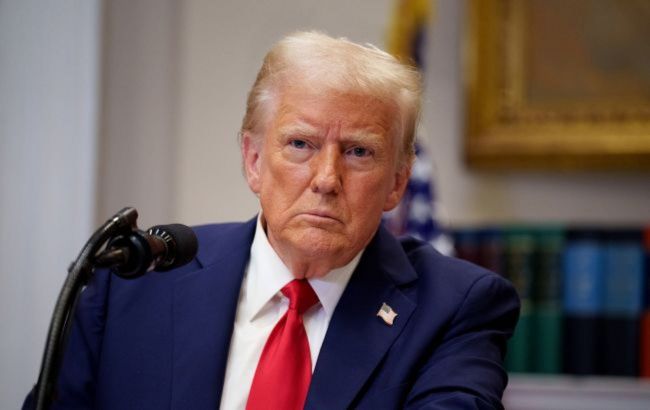 Donald Trump (photo: Getty Images)
Three weeks into the US-Iran war, President Donald Trump's team has begun discussing what peace talks with Tehran might look like, according to Axios.
On March 20, US President Donald Trump said he is considering "winding down" the war against Iran, although American officials report that combat operations are expected to continue for another two to three weeks.
Trump's advisors, Steve Witkoff and Jared Kushner, have already started preparing for potential negotiations and are participating in discussions on diplomatic measures.
Washington is currently focused on two key questions: who in Iran is the best point of contact for talks, and which country could serve as the most effective mediator.
In previous talks, Iran's Foreign Minister Abbas Araghchi acted as the main mediator. However, US officials now see him more as a "fax machine" than someone empowered to actually negotiate an agreement.
For this reason, American officials are trying to identify who actually makes decisions in Iran and how to reach them.
As for countries, Oman served as mediator in the last round of talks, but the United States is seeking an alternative due to mutual distrust of the Omanis.
Officials stressed that Qatar has proven effective and trustworthy as a mediator in Gaza. However, Qatar is only willing to assist behind the scenes and does not want to act as the primary official intermediary.
Concerning preparations for the talks, Trump's advisors want to be ready if talks with Iran begin in the near future.
Sources say that the conditions Witkoff and Kushner will push for are similar to those they presented in Geneva two days before the war began.
US, Iran: What each side wants
According to Axios, any agreement to end the war would include reopening the Strait of Hormuz, addressing Iran's stockpiles of highly enriched uranium, and signing a long-term deal covering Iran's nuclear program, ballistic missiles in the region, and support for proxy forces.
"Our view is we've stunted Iran's growth," said a US official, who expressed confidence that the Iranians will come to the negotiating table.
The United States wants Iran to agree to six commitments under a potential deal, including:
- No missile program for five years
- Zero uranium enrichment
- Dismantling reactors at Natanz, Isfahan, and Fordow that the US and Israel bombed in 2025
- Strict international monitoring of centrifuge production and related equipment that could support a nuclear weapons program
- Arms control agreements limiting regional missile stockpiles to 1,000
- No funding for proxy groups like Hezbollah in Lebanon, the Houthis in Yemen or Hamas in Gaza.
Axios notes that Iran has repeatedly rejected several of these demands, and Tehran leaders have emphasized the challenges of negotiating with a country that has previously entered talks only to resume attacks.
According to three sources, there has been no direct US-Iran contact in recent days. Egypt, Qatar, and the UK have been exchanging messages, with Egypt and Qatar notifying the United States and Israel that Iran is interested in talks, but on very strict terms.
These terms reportedly include a ceasefire, guarantees that the war will not resume, and compensation.
What US is ready to do
A US official said Trump considers the demand for reparations a "non-starter," although another noted that returning frozen Iranian assets could be considered as part of negotiations.
"They call it reparations. Maybe we call it return of frozen money. There's many different ways that we can wordsmith so that it solves politically what they need to solve, to develop consensus in their system," the official said.
Ambiguity surrounding Iran
CBS News previously reported that the Trump administration develops strategies and options for securing or seizing Iran's nuclear capabilities as the military campaign enters an unpredictable phase.
In recent days, the media reported that the Pentagon is preparing to deploy US ground forces to Iran, and thousands of Marines are already being sent to the Middle East.
There is another sign that the war may continue. The Washington Post reported that the Pentagon requested White House approval for a congressional funding request exceeding $200 billion for the campaign against Iran.