Signal to dictators? How China and North Korea could leverage US war in Iran


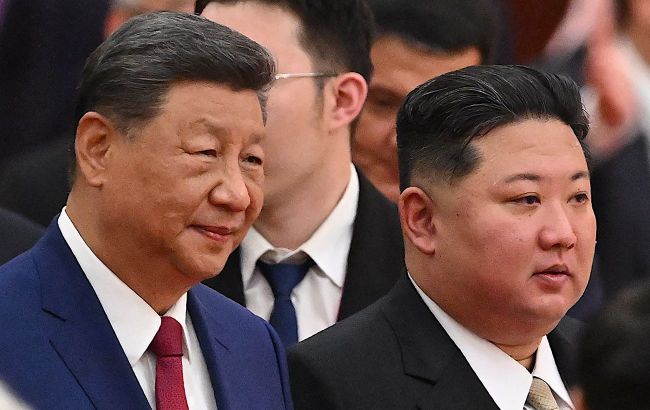 Photo: Xi Jinping and Kim Jong Un, leaders of China and North Korea (Getty Images)
Instead of a swift operation in Iran, the United States has been bogged down for nearly two weeks in a war that has spread across Middle Eastern countries. At the same time, US forces are rapidly depleting their weapons stockpiles and redeploying air defense systems from Europe and Asia.
Could the weakening of US forces "free China and North Korea’s hands," and what conclusions have Beijing and Pyongyang already drawn from the American operation? We explore this in a material by RBC-Ukraine.
US forces are depleting their arsenals
In the first 100 hours of the war against Iran, the US military fired 168 cruise missiles. The rate of use of long-range weapons and interceptors from the Patriot, SM-3, and THAAD systems exceeds the US defense industry’s production capacity by tens of times.
According to the Financial Times, the Pentagon is preparing a request for an additional $50 billion in funding, as expenditures in just the first six days of the conflict reached $11.3 billion.
Due to the escalation, Washington has begun an emergency redeployment of defense resources to the Middle East. In particular, THAAD and Patriot batteries are being withdrawn from South Korea and Europe, significantly weakening the missile defense "umbrella" in these regions and leaving allies less protected.
All the while, the US’s biggest adversaries — China and North Korea — are quietly and carefully observing.
Will China strike Taiwan?
This week, after a pause linked to preparations for a meeting between Chinese leader Xi Jinping and the US president, China resumed military flights near Taiwan. In recent days, Beijing also reacted sharply to Japan’s plans to deploy missiles capable of reaching Chinese territory.
"This speaks volumes about the neo-militarism in Japan, which has become more than just a perilous tendency, but a very real threat that may wreak havoc to regional peace and security. Let me make it clear to the Japanese side: retreating to its belligerent and militarist past leads nowhere but self-destruction. Should the Japanese side dares to use force to violate China's sovereignty and security, it will only meet a head-on blow and suffer a greater and inevitable defeat," warned a spokesperson for the Chinese Ministry of Defense.
Despite the weakening of the US presence in the region, Beijing is unlikely to attempt a military takeover of Taiwan in the near future, East Asia expert and Master of Foreign Policy Natalia Butyrska told RBC-Ukraine. The reason is that China is a rational actor and will not rush into any actions.
"China has seen how Russia got dragged into a prolonged conflict. The same has been demonstrated by the US. They effectively showed Putin’s mistake, albeit on a smaller scale and for a shorter period. So lessons were learned: an uncalculated conflict can have very negative consequences and deplete resources," Butyrska explained.
According to a diplomat and Director of the Center for Defense Strategies, Oleksandr Khara, the Chinese military is currently simply not ready for confrontation with the US, Japan, and other regional countries without risking the destruction of its own economy.
For now, Beijing is conducting internal purges of the general staff over corruption. In addition, there are rumors of less-than-successful deployment of Chinese weapons systems in Iran. Here too, China will be drawing lessons, Khara told RBC-Ukraine.
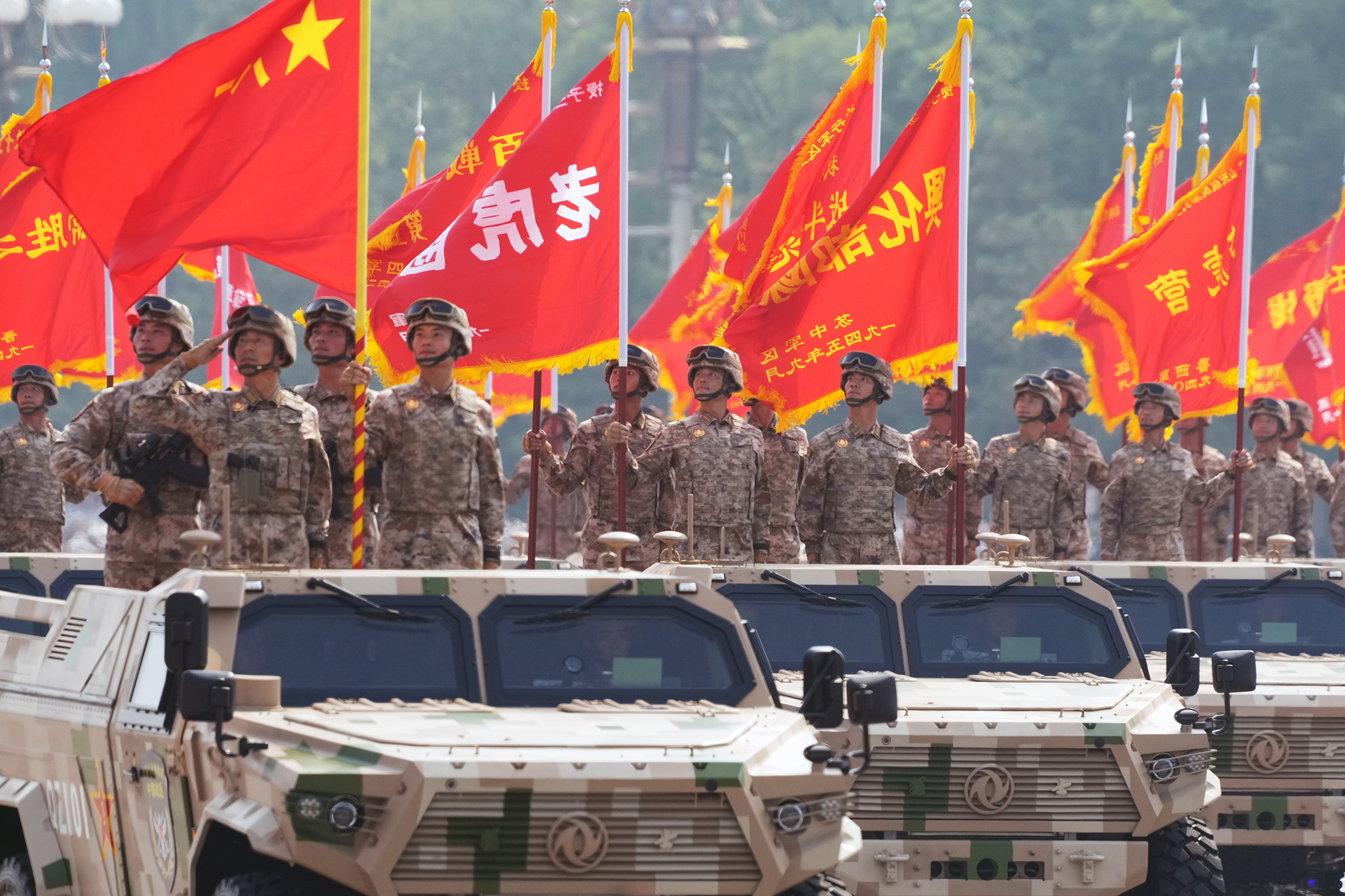
Photo: China’s military is not yet ready for war (Getty Images)
What lessons is North Korea drawing?
Regarding North Korea, Pyongyang is entirely dependent on Beijing’s stance, which does not want escalation on the Korean Peninsula, according to Oleksandr Khara. Therefore, an attack on South Korea is currently unlikely.
However, the Kim Jong Un regime is closely watching US actions against Nicolás Maduro in Venezuela and the Iranian leadership, noted Natalia Butyrska. For North Korea, these events serve as further proof that only the possession of nuclear weapons guarantees the survival of its leadership.
"US actions against Maduro, US actions in Iran — this is a very serious and instructive lesson for North Korea. It shows that they need to protect their top leadership and have a plan B in case of a negative scenario. Accordingly, they will implement their own security measures," the East Asia expert said.
At the same time, she added, Pyongyang’s distrust — along with that of other countries — toward any negotiations with Washington will increase.
"In other words, even if they talk about something with Donald Trump, they will, you know, keep in mind that the US cannot be trusted," Butyrska added.