Russia sends first LNG shipment of 2026 to China, Reuters reports

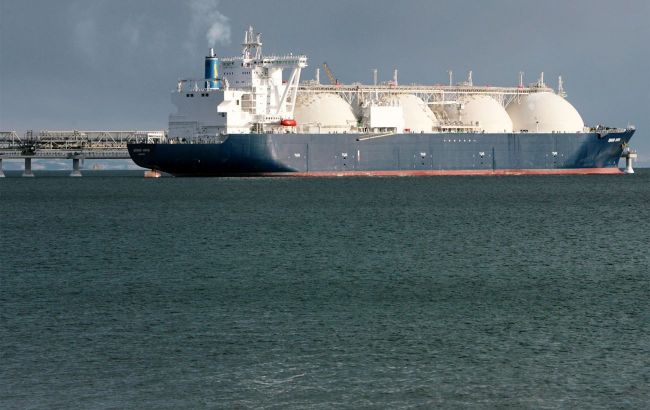 Illustrative photo: Russia sent its first shipment of LNG to China in 2026 (GettyImages)
The first liquefied natural gas (LNG) shipment of the year from Russia’s Arctic LNG 2 plant was unloaded at the Beihai LNG terminal in China, Reuters reports.
According to available information, on December 25, the LNG carrier Buran was loaded at the floating storage facility Saam near the Russian port of Murmansk, used by the Arctic LNG 2 plant. The vessel then transported the cargo to China’s southwest, in the Guangxi region, via the Suez Canal.
Russian ships have taken this route due to winter restrictions on the Northern Sea Route along Russia’s Arctic coast.
The Arctic LNG 2 project, 60% owned by Novatek, was designed to be one of Russia’s largest LNG plants, with a planned capacity of 19.8 million tons per year. However, US sanctions imposed over Russia’s full-scale war in Ukraine have significantly complicated its prospects.
Production at the plant began in December 2023, but regular deliveries to end users only started in August 2024, all exclusively to China.
According to LSEG data, Arctic LNG 2 delivered 23 shipments in 2024, totaling around 1.3 million tons of LNG from storage facilities near Murmansk and Kamchatka. Beihai LNG remains the project’s sole importer.
On Monday, it was also reported that the first Russian Arc7-class icebreaker LNG carrier, Alexey Kosygin, arrived at Arctic LNG 2 for loading. These vessels feature double hulls and reinforced propellers, enabling them to operate in icy conditions.
Decline in Russia’s oil and gas revenues
Russia’s oil and gas export revenues fell by almost half in January due to a drop in ruble-denominated oil prices and a strengthening of the national currency.
Estimates suggest the Russian budget received around $5.4 billion, the lowest level since August 2020, when global energy markets faced a sharp drop in demand due to the COVID-19 pandemic.
Oil and gas revenues account for roughly a quarter of Russia’s federal budget and remain the main source of funding for state expenditures, including the war in Ukraine.
It was also reported that China has significantly increased its imports of Russian LNG since the end of last year, with recorded volumes substantially exceeding expected demand from the region’s largest importer.