China ramps up purchases of Russian natural gas — Bloomberg

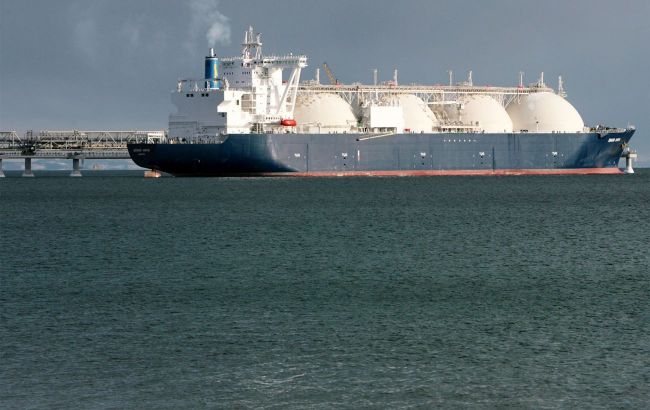 Photo: China increases purchases of Russian natural gas (Getty Images)
China has been increasing its purchases of Russian liquefied natural gas since the end of last year. The revealed data significantly exceeds the expected demand from the continent's leading importer, according to Bloomberg.
Chinese customs data showed that imports of Russian LNG rose to a record 1.9 million tons in December. This is more than double the 850,000 tons estimated in ship tracking data collected by Bloomberg. Customs statistics for November were also 90% higher than shipping data.
The discrepancy indicates that Chinese demand in the last two months has exceeded low market expectations after about a year of declining imports. The discrepancy in the data may have arisen because Russia is using more shadow fleet tankers, which mask their location, to transport sanctioned gas.
Tracking individual tankers has been the primary method of assessing global LNG flows for the past decade. While discrepancies with official customs data are common, gaps as large as those seen in data on imports from Russia to China are rare.
Analysts have suggested that the discrepancy may indicate the delivery of larger quantities of US-sanctioned cargoes that are falsifying their location.
According to Chinese customs data, the country purchased 9.8 million tons of Russian LNG last year, a historic high. Meanwhile, total imports last year fell by 11% due to low demand, increased inventories, and significant pipeline imports.
Decline in gas and oil revenues in Russia
Russia's oil and gas revenues in January fell by almost half due to the fall in the ruble price of oil and the strengthening of the ruble.
The country's budget could only receive about $5.4 billion, the lowest figure since August 2020, when global demand for energy collapsed due to the COVID-19 pandemic.
Oil and gas revenues account for about a quarter of the Russian federal budget and remain a key source of funding for government spending, including the Kremlin's military campaign against Ukraine.