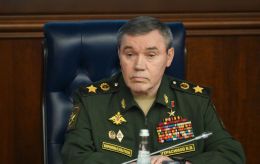
Russia poses major security threat to NATO - Swedish intelligence

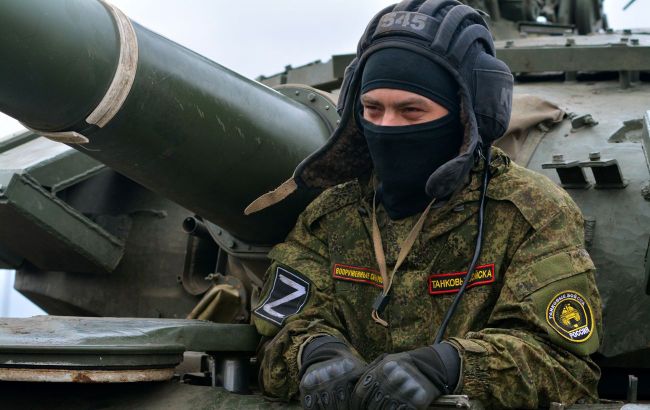 Among Russia’s provocations were airspace violations, sabotage, and cyber operations (Photo: Getty Images)
Russia is considered the main threat to Sweden and NATO. Moscow’s increasingly risky behavior could provoke dangerous escalation, according to Politico.
Read also: Garry Kasparov, Kremlin critic: NATO won't fight if Putin invades Latvia or Lithuania
In its annual report, the Swedish intelligence service highlighted examples of Russia’s hostile actions in the region, including the Baltic Sea. These actions include airspace violations, sabotage, and cyber operations.
“Russia is the primary military threat to Sweden and NATO,” the report states, adding that the threat is serious and concrete, and Moscow’s actions are opportunistic and aggressive.
Sweden’s assessment came a week after the Estonian intelligence service described Russia as dangerous despite its incompetence.
At the same time, Estonia warned against panic, noting that it had found no evidence that Russia intends to attack the country or NATO in 2027. Analysts suggested that Russia is unlikely to invade in the near future, given strengthened defense measures across Europe.
“What protects us is the strength of the alliance and the faith that we and Russia have in Article 5 [NATO's collective defense clause].” Recent NATO commitments to raise defense spending to 3.5% of GDP also contribute to security, a senior official said.
“So long as we continue to make the investments, that’s what keeps us on the side of the equation in which Russia wouldn’t dare,” he added.
The Estonian report also noted that Russia has sharply increased artillery production, signaling that Moscow will remain a threat even if peace is achieved in Ukraine.
According to the report, Russia is preparing for the next war. Estimates show that shell and artillery production has increased 17-fold since Moscow launched its full-scale invasion of Ukraine.
“You don't simply turn all that off the day the war ends,. Russia will end up in some areas stronger as a military force than when it began,” summarized the senior NATO official.
Threat of a NATO–Russia confrontation
Recently, NATO Secretary General Jens Stoltenberg stated that Russia will remain a threat to the entire alliance even after peace is achieved with Ukraine.
A few days earlier, he noted that NATO would win any war with Russia if Moscow decided to attack the bloc right now.
Several Western officials believe that Russia is still preparing for a potential conflict with NATO, and the timing of an attack could be a matter of a few years. Ruben Brekelmans, the Dutch defense minister, suggested that an attack could occur before 2030.
Meanwhile, the German military command recently indicated that, in their view, Russia could be 2–3 years away from launching an attack on NATO, with Germany potentially becoming the epicenter.