Russia increases ballistic missile and Shahed drone attacks on Ukraine's energy - Air Force


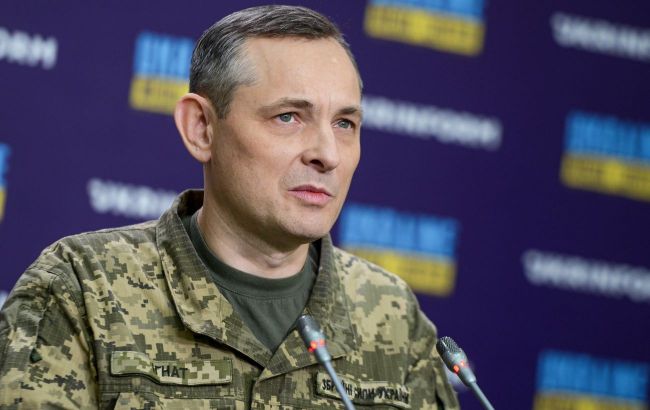 Yurii Ihnat, head of the Communications Department of the Air Force Command (photo: Getty Images)
In 2025, Russians began striking Ukraine's energy sector more frequently with missiles of various types. In addition, the enemy started using significantly more drones, Air Force Communications Department chief Colonel Yurii Ihnat said in an interview with RBC-Ukraine.
He noted that last year the use of ballistic missiles increased significantly compared to 2024, due to the fact that only the Patriot air defense system can intercept ballistic missiles. Ihnat also spoke about the differences between current attacks and enemy strikes during the 2022–2023 heating season.
At that time, he said, Russia relied more on cruise missiles such as Kalibr, Kh-101, Kh-555, Kh-55SM, and Iskander-K, which have relatively long flight ranges — about 600 kilometers for Iskander-K and thousands of kilometers for Kh-101 and Kalibr.
Number of drones has increased significantly
In addition, current attacks are being carried out using a significantly larger number of strike drones.
"We see more than 100 Shaheds, Italmas, Gerbera drones, and other types flying deep into the country. In addition, Molniya and Lancet drones are used in frontline areas. During massive attacks, the number reaches 500 or more," Ihnat noted.
According to him, this affects the ability to repel such attacks, especially when they are carried out against a single region. In such cases, Ukraine has to use everything to counter them: surface-to-air missile systems, aviation, electronic warfare, mobile fire groups, and interceptor drones.
How enemy attacks have changed
Ihnat said that in previous years, there were more missiles in combined strikes, last year there were more ballistic missiles, and now there are significantly more drones.
Using Kyiv as an example, he said Russian forces attack the city from multiple directions.
"From the south, cruise missiles like Kalibr usually fly in from the Black Sea; from the east, Kh-101s launched by strategic aviation; and from the north, they strike with ballistic missiles from the Bryansk, Kursk, and Belgorod regions. Plus UAVs," he said.
Ihnat emphasized that the difference between last year's and current attacks is that Russia is now simultaneously attacking a single city or region with a large number of weapons.
The aggressor country has tripled the production of ballistic missiles for Iskander-M systems. According to analysts, China has become a key factor in restoring Russia's military production after the introduction of Western sanctions.