Russia hits record oil exports to China as India reduces purchases

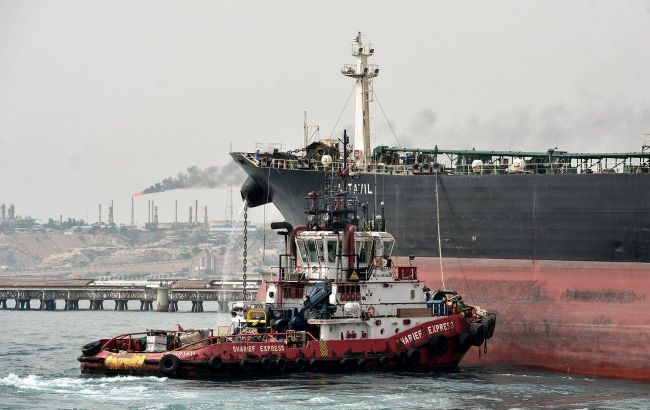 Illustrative photo: Volumes of Russian oil shipments to China are steadily rising (Getty Images)
Russia’s oil exports to China are steadily rising and could set a new historical record as early as February. The increase is driven by discounts on Russian oil and reduced purchases by India, Reuters reports.
Read also: China to deliver energy aid to Ukraine
According to preliminary estimates from Vortexa Analytics and Kpler, China is importing more than 2.07–2.08 million barrels of Russian oil per day this month. By comparison, in January, these figures were around 1.7 million barrels.
Reduced purchases by India
Supplies have been rising for the third consecutive month amid declining demand from India, which was previously a key buyer of Russian oil.
Western sanctions and negotiations with the US have forced New Delhi to cut imports to roughly 1.16 million barrels per day, the lowest level in the past two years. This has compelled the aggressor country to redirect its exports to the Chinese market urgently.
Discounts on Russian oil
To boost sales, Russia is offering Urals crude at a discount of $9–11 per barrel compared to the benchmark Brent price. This difference is one of the largest in recent years, making Russian crude especially attractive to China’s independent refineries.
In addition to ESPO shipments, other Russian grades, including Sokol and Varandey, have been added, intensifying competition in the Asian market, including from Iranian supplies.
According to experts, China has effectively become the "main savior of Russia’s oil exports," allowing Moscow to offset losses from sanctions and generate revenue amid global pressure.
As of February, despite large oil discounts, Russia’s budget revenues from oil sales have dropped to a minimum. In January, in particular, they fell to the lowest level in more than five years.
As a result, the Russian economy is entering the deepest crisis phase in the past 20 years, which may force the Kremlin to reconsider the economic policies established in the early 2000s.