Discounts backfire: Russia’s oil earnings fall to a five-year low — Bloomberg

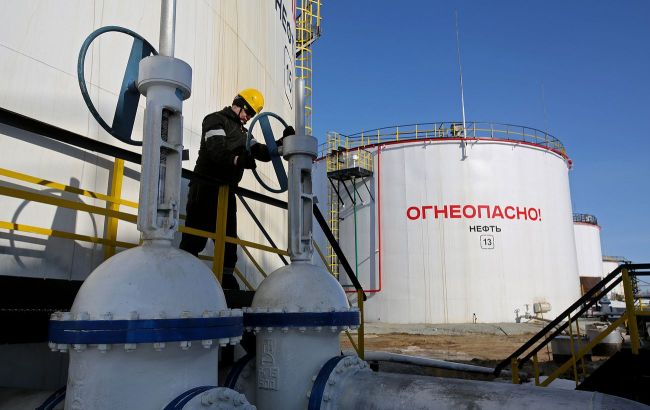 Illustrative photo: Russia increases oil discounts, yet revenues from sales continue to fall (Getty Images)
Despite large oil discounts, Russia's budget revenues from oil sales have fallen to a five-year low, Bloomberg reports.
Read also: Greece and Malta block new EU oil sanctions on Russia — Bloomberg
The agency reports that stable supplies did not prevent the collapse of the aggressor country's oil revenues, which fell to their lowest level in more than five years in January.
The blow to Russia's budget was caused by weakening global prices, even deeper discounts on Russian oil, and currency strengthening. At the same time, pressure on Russian oil continues to mount.
According to Argus Media, Russian Urals crude is being offered at nearly $15 per barrel below the global benchmark Brent, including delivery and other costs. The price gap has widened significantly from around $10 at the beginning of the year.
Every week, the value of exports for the seven days ending February 2 averaged about $1.02 billion, $145 million less than the figure for the previous week.
Russia’s shadow fleet
India, in its first operation against the aggressor country’s shadow fleet, seized three tankers involved in oil smuggling.
Earlier, the U.S. Coast Guard detained the tanker Olina. This vessel was part of the shadow fleet and specialized in exporting sanctioned Russian oil to China, India, and Türkiye while concealing its flag.
The new EU package of anti-Russian sanctions is expected to block the Russian shadow fleet, which enables Russia to generate revenue from oil.
RBC-Ukraine also reported that tankers from the aggressor country’s shadow fleet are increasingly listing Singapore as their official destination. This indicates changes in export routes and attempts by Russia to hide end buyers amid Western sanctions.