Russia's economy repeating late Soviet scenario, intelligence says

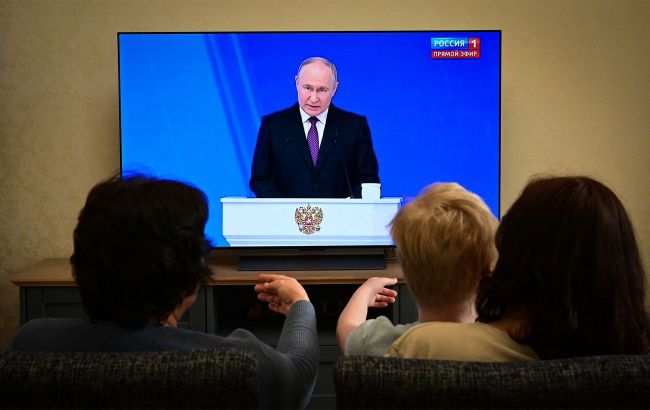 Illustrative photo: Russia's economy is repeating the scenario of the late Soviet Union (GettyImages)
The Russian economy is entering its deepest crisis in 20 years, which may force the Kremlin to revise its economic policy, formed in the early 2000s, according to the Foreign Intelligence Service of Ukraine.
Read also IMF downgrades its forecast for Russia’s economic growth in 2026
Sharp slowdown in industrial growth
According to research, 2025 saw a significant slowdown in industrial development: while industrial production grew by 4-6% in 2023-2024, growth was only 0.8% in the first eleven months of 2025. The decline in manufacturing is particularly noticeable.
An additional sign of trouble was the reduction of Russian rail freight traffic to its lowest level in 16 years, indicating both difficulties with exports and a cooling of the domestic market.
Record budget deficit
The financial situation of the private sector is also deteriorating, and the budget situation remains unstable. In 2025, Russia's federal budget deficit grew to 5.65 trillion rubles, exceeding even the figures for the pandemic year of 2020.
Despite a slight slowdown in spending growth, government expenditures remain at record levels, which keeps inflation high and forces the authorities to increase the tax burden.
Risk of prolonged economic turbulence
According to analysts, the current situation is increasingly being compared to the delayed crisis of the late USSR, when economic problems were masked by debt for a long time. Although the scale of the current challenges is not yet comparable to the crisis of the 1990s, Russia is likely to face a prolonged period of economic instability.
Problems in Russian economy
The Russian economy ended 2025 with a sharp deterioration in performance: oil prices fell to a five-year low, and the level of development of the space industry effectively rolled back to early 1960s levels.
At the same time, the Russian financial and institutional system is increasingly shifting into a state of so-called controlled chaos: banks are concealing their ownership structure, civil servants are exempt from filing declarations, and businesses are operating under constant pressure and instability.
In addition, in 2026–2027, Russian airlines plan to return mothballed Soviet and foreign-made aircraft to service, most of which are over 30 years old. The reasons for this step are sanctions, a reduction in the aircraft fleet, and the lack of opportunities to renew it.