Russia to return 30-year-old planes to service due to sanctions, intelligence says

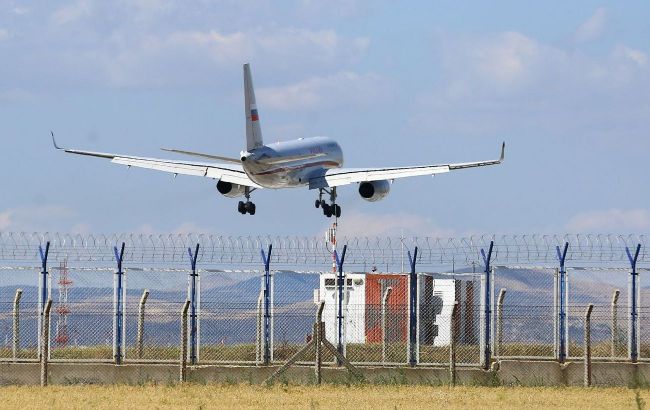 Photo: Sanctions and fleet reductions are forcing Russia to recommission old aircraft (Getty Images)
In 2026–2027, Russian airlines plan to massively return mothballed Soviet- and foreign-made aircraft to service. Most of these planes are over 30 years old, according to the Foreign Intelligence Service of Ukraine.
This step is a forced measure for Russia due to sanctions, a shrinking fleet, and the lack of opportunities for fleet renewal.
"As part of the renewal program, which has been extended until 2027, 10 of the 12 planned planes have already been returned to service, including the Tu-204/214, Il-96, and An-148. In 2026–2027, it is planned to transfer two more refurbished Tu-204s, despite their moral and technical obsolescence," the statement said.
Return to the old foreign aircraft
The intelligence service reports that Russian airlines are also forced to recommission foreign aircraft.
"Rossiya Airlines is increasing its fleet of Boeing 747s, inherited after the bankruptcy of Transaero. Airliners that are more than 20 years old are returning to service after many years of storage, in particular due to a lack of alternative equipment," the statement said.
As of October 2025, the largest Russian airlines had a fleet of 1,135 aircraft, of which 1,088 were in operation. Of these, 67% were foreign-made planes, which are difficult to maintain due to sanctions and a lack of spare parts.
The Foreign Intelligence Service notes that the crisis is particularly severe in Russia’s cargo aviation sector. Air freight traffic dropped from 9.2 billion ton-kilometers in 2021 to 1.9 billion in 2024.
Sanctions against Russia
Russia’s economy ended 2025 with catastrophic results. Oil prices fell to a five-year low, and the space industry returned to 1961 levels.
The country’s financial and institutional system is increasingly sinking into managed chaos: banks hide ownership structures, public officials are exempted from declarations, and entrepreneurs struggle to keep their businesses afloat.