Qatar declares force majeure after LNG plant attacks, repairs may last years

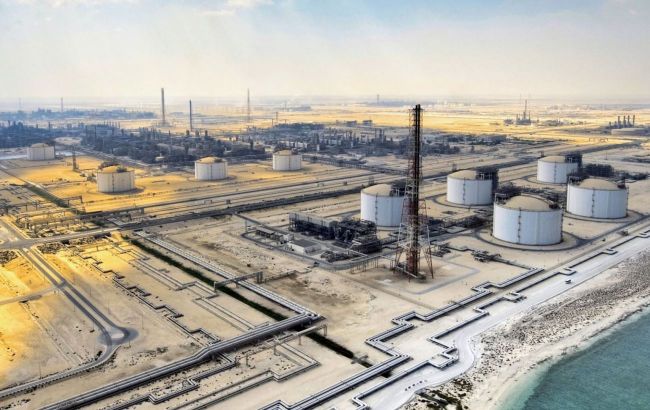 Illustrative photo: LNG plant in Ras Laffan, Qatar (Doha News)
QatarEnergy, Qatar’s largest liquefied natural gas (LNG) producer, may declare force majeure due to Iranian attacks on infrastructure. The strikes have already destroyed 17% of the country’s export capacity, Reuters reports.
According to QatarEnergy CEO Saad al-Kaabi, the attacks damaged two of Qatar’s 14 LNG trains, as well as a gas-to-liquids (GTL) facility.
Due to the shutdown of 12.8 million tonnes of LNG production per year, Qatar is expected to lose about $20 billion in annual revenue. Al-Kaabi said that repairs and restoration of capacity will take between three and five years.
In addition, the attacks have affected other energy resources: condensate exports will drop by 24%, liquefied petroleum gas (LPG) by 13%, and helium production will fall by 14%.
Al-Kaabi added that QatarEnergy is forced to declare force majeure on long-term gas supply contracts with Italy, Belgium, South Korea, and China.
The damaged production lines include facilities operated in partnership with ExxonMobil and Shell. Overall, Iran’s attacks on infrastructure have set the region back by 10–20 years in development, seriously undermining the stability of the energy hub.
Attack on a plant in Qatar
On the morning of March 19, it became known that Iran had once again attacked Qatar with ballistic missiles. At the same time, the world’s largest LNG complex in Ras Laffan was hit again, less than 12 hours after the first strike.
Qatar has already condemned the attack and stated that it reserves the right to respond. On March 2, Iranian drones also struck QatarEnergy facilities in Ras Laffan.
At the same time, strikes on oil and gas infrastructure in the Persian Gulf have pushed fuel prices to new highs, and analysts warn that the worst may still be ahead, especially after Iran attacks LNG facilities in the region.