Oil breakthrough: Saudi shipments navigate Hormuz via Pakistani tankers

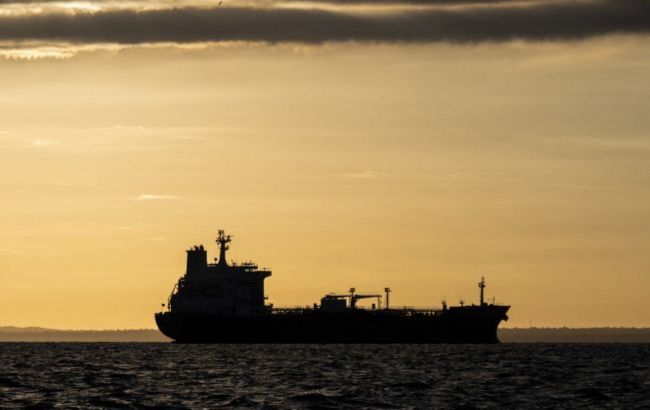 Saudi Arabia ships oil through a route no one expected (illustrative photo: Getty Images)
Strait of Hormuz shipping appears to continue despite Iran declaring it is blocked. Several countries have received permission from Tehran to allow vessels flying their flags to pass, Bloomberg reports.
One of the most notable recent events was the passage of the tanker P. Aliki, carrying about 650,000 barrels of Saudi crude oil to Pakistan. The vessel navigated the northern route, passing directly between the Iranian islands of Larak and Qeshm.
In addition, Iran allowed seven Malaysian tankers that had been blocked in the Gulf for some time to depart. Unexpectedly, Tehran also permitted another 20 Pakistan-flagged vessels to transit the strait.
The total number of commercial vessels passing through Hormuz currently slightly exceeds pre-war levels. However, the analysis is complicated because AIS (Automatic Identification System) signals are often jammed.
Moreover, Iran's shadow fleet is actively exploiting the situation. Tankers linked to Iran frequently turn off their transponders. Some estimates suggest that the average flow of this invisible oil in March was around 1.6 million barrels per day.
Separately, the tanker Tawanna was recorded leaving the Gulf. The vessel is sanctioned by the United States, the United Kingdom, and the European Union for involvement in the Russian oil trade. In March, it was loaded with Iranian crude on Kharg Island.
Strait of Hormuz blockade
In response to US-Israeli military operations, Iran effectively closed the Strait of Hormuz. Since up to 20% of the world's oil shipments pass through the strait, the blockade triggered an energy crisis and a rise in oil prices.
However, some countries managed to negotiate passage for tankers. Recently, Tehran allowed 20 Pakistan-flagged vessels to transit the strait.
Earlier, Thai Prime Minister Anutin Charnvirakul said the country had reached an agreement with Iran on the safe passage of Thai oil tankers through the Strait of Hormuz.
Saudi Arabia pursued another route. For the first time in history, the country has brought its strategic East–West pipeline to full capacity. This is expected to partially offset the effects of the energy crisis caused by the operation against Iran.