Zelenskyy announces key talks, reveals major fresh decisions for Ukraine

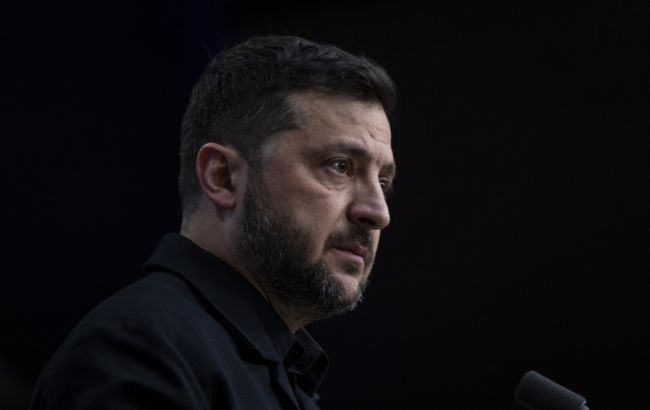 Volodymyr Zelenskyy (photo: Getty Images)
Ukrainian President Volodymyr Zelenskyy has outlined the country's key priorities for the coming weeks, including air defense, prisoner swaps, and support for the energy sector.
According to Zelenskyy, a special meeting was held to discuss Ukraine's next diplomatic steps and coordination with international partners.
The president said that the Ukrainian side remains in contact with representatives of the US president and European allies almost daily. Particular attention was paid during the discussions to the delivery of air defense systems and the implementation of previously reached agreements.
Among the main tasks for the coming weeks, Zelenskyy named strengthening protection against ballistic missile attacks, preparing bilateral agreements on the production and supply of drones, and implementing the Drone Deal initiative with the European Union.
In addition, Ukraine prepares for several important international meetings.
"We are preparing for important negotiations, though there are currently no public details to disclose," he added.
Another issue discussed during the meeting was the continuation of the humanitarian track. Zelenskyy stressed the need to continue the agreed-upon prisoner swaps and instructed officials to intensify cooperation with partners to facilitate the process.
The president also announced upcoming decisions to support Ukraine, particularly in the energy sector.
"There will be new decisions in support of Ukraine, including our energy sector. We are finalizing the details," Zelenskyy concluded.
Meanwhile, ahead of the NATO summit in Ankara, allies continue to discuss the future format of assistance to Ukraine. One of the most widely debated proposals has been NATO Secretary General Mark Rutte's initiative calling on member states to allocate at least 0.25% of GDP to support Kyiv.
At the same time, several countries have opposed making such commitments mandatory. According to The Telegraph, the United Kingdom, France, Spain, Italy, and Canada have blocked the initiative, arguing for a more flexible approach to financing aid for Ukraine.