MFA explains stance on potential decoupling of Ukraine and Moldova's EU paths

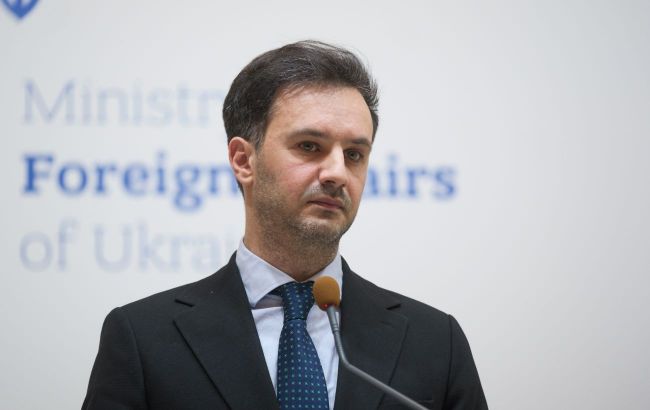 Photo: Heorhii Tykhyi (Vitalii Nosach, RBC-Ukraine)
Ukraine and Moldova continue to move toward EU membership together, and there are no grounds for "decoupling" their European integration paths, Foreign Ministry spokesman Heorhii Tykhyi said in comments to journalists.
The ministry drew attention to interpretations of remarks made by European Commission President Ursula von der Leyen following the EU-Moldova summit. Tykhyi explained that her comments referred exclusively to Moldova and were not intended to compare or contrast the two countries.
According to him, once the first negotiating cluster is opened, further progress follows the European Commission's established methodology. This process involves an individual assessment of each candidate country based on its progress in meeting internal benchmarks (IBAR).
At the same time, the Foreign Ministry stressed that Kyiv and Chisinau are advancing through the stages of European integration consistently and in parallel.
"The EU has repeatedly acknowledged that both countries have fulfilled the necessary conditions for opening negotiating clusters. Therefore, there are no grounds for conclusions about any supposed decoupling," Tykhyi said.
The Foreign Ministry spokesman added that Ukraine expects a fair and objective approach from the EU throughout the enlargement process.
Ukraine's EU accession
On June 15, Ukraine officially opened the first negotiating cluster, Fundamentals, as part of its EU accession process. The cluster covers key areas including the rule of law, the judiciary, the protection of fundamental rights and freedoms, and the functioning of democratic institutions.
To become an EU member, Ukraine must complete negotiations across six clusters and align its national legislation with European standards.
The remaining five clusters are expected to be opened during the second half of 2026. However, the pace of the accession process will depend on the success of reforms in Ukraine and the support of all EU member states.
For more on Ukraine's EU membership prospects, the challenges ahead, and the positions of individual member states, see RBC-Ukraine's report.