Gasoline prices in Russia hit 20-year record high

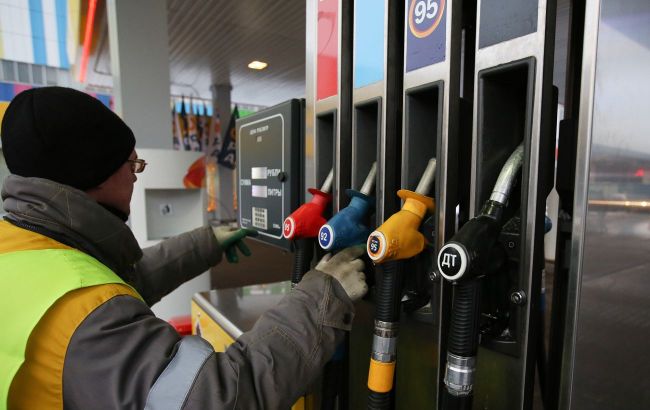 Photo: Russia's gasoline prices hit a 20-year record high (Getty Images)
Russia has recorded its largest weekly increase in gasoline prices in 20 years. The surge, along with fuel shortages and panic on the market, was triggered by successful Ukrainian drone strikes on oil refineries, Bloomberg reports.
Record price surge and fuel shortages
According to Russia’s Federal Statistics Service, average gasoline prices rose by 3% in just one week, from June 16 to June 22, reaching 71.20 rubles ($0.95) per liter. This marks the largest weekly surge in domestic fuel prices since at least 2006. Diesel prices also rose by 2.7%.
Damage to key refineries, including a major Gazprom Neft plant near Moscow, sparked panic among drivers. Mass stockpiling of fuel in containers has led to long queues at gas stations and widespread shortages across many regions.
Fuel supply disruptions or rationing measures are now reported in 75% of Russia’s regions. Restrictions for drivers have already been introduced in the Bryansk, Kursk, Lipetsk, Samara, and Tyumen regions.
Production shock and government response
Due to ongoing drone strikes, Russia’s oil product output fell by 13.5% in May. During the first two weeks of the month, gasoline output dropped by 15% compared to the same period last year.
The head of Russia’s central bank, Elvira Nabiullina, has already described the decline in output caused by refinery strikes as a new and serious inflation risk.
To stabilize the situation, the Russian government is urgently considering a full ban on diesel exports and tax incentives to support the domestic market.
Despite statements by Russian Deputy Prime Minister Alexander Novak that the crisis is "manageable," the sharp rise in gasoline prices has already pushed annual inflation in Russia up to 5.8%.
Fuel crisis in Russia
Systematic drone strikes on oil infrastructure have caused rapidly growing problems in Russia’s fuel market.
Russia has lost a quarter of its gasoline production compared to last year, while maritime exports of petroleum products fell by 15% in the first half of June.
In addition, the scale of shortages has forced local authorities to introduce strict fuel rationing for drivers.
The fuel crisis has reached Russia’s main oil-producing region, the Khanty-Mansi Autonomous Okrug, which accounts for around 40% of the country’s oil output. Fuel purchase limits and restrictions are now in place in more than 50 Russian regions.