Evacuation under fire: Ukraine's Forces turn to robots and underground medical stations

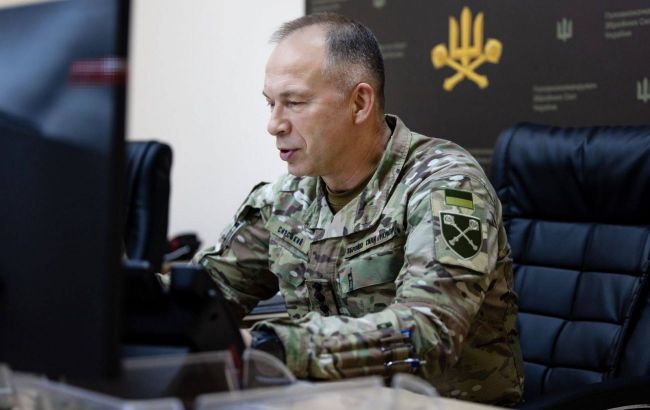 Photo: Commander-in-Chief of the Ukrainian Armed Forces Oleksandr Syrskyi (facebook.com/CinCAFofUkraine)
Evacuation of the wounded in modern warfare is increasingly happening without direct human involvement. The Ukrainian Armed Forces explained that robotic platforms and underground medical points are becoming key solutions for saving soldiers’ lives, according to the Commander-in-Chief of the Ukrainian Armed Forces, Oleksandr Syrskyi, on Facebook.
"Modern warfare has significantly complicated the work of military medics — the kill zone on the front line can exceed 20 kilometers, making traditional evacuation extremely dangerous. Under these conditions, the Ukrainian Armed Forces are forced to adapt quickly, combining organizational and technological solutions. Saving the lives and health of our soldiers is an absolute priority," Oleksandr Syrskyi emphasized during a video briefing.
He highlighted the importance of the firsthand experience of combat medics, who are the first to provide aid to the wounded directly on the front line. According to the Commander-in-Chief, this practical experience should be shared across all branches of the Defense Forces.
Evacuation drones
Special attention was given to the use of ground robotic systems (NRK) for evacuating the wounded from the front line.
In complex tactical conditions, such unmanned platforms are increasingly becoming the only viable means of CASEVAC, transporting the injured to handover points for medical crews.
"Conditions on the modern battlefield are such that unmanned evacuation platforms are sometimes the only way to save a wounded soldier," Syrskyi said.
These solutions are being used most actively in the Pokrovsk direction, where the situation remains particularly tense.
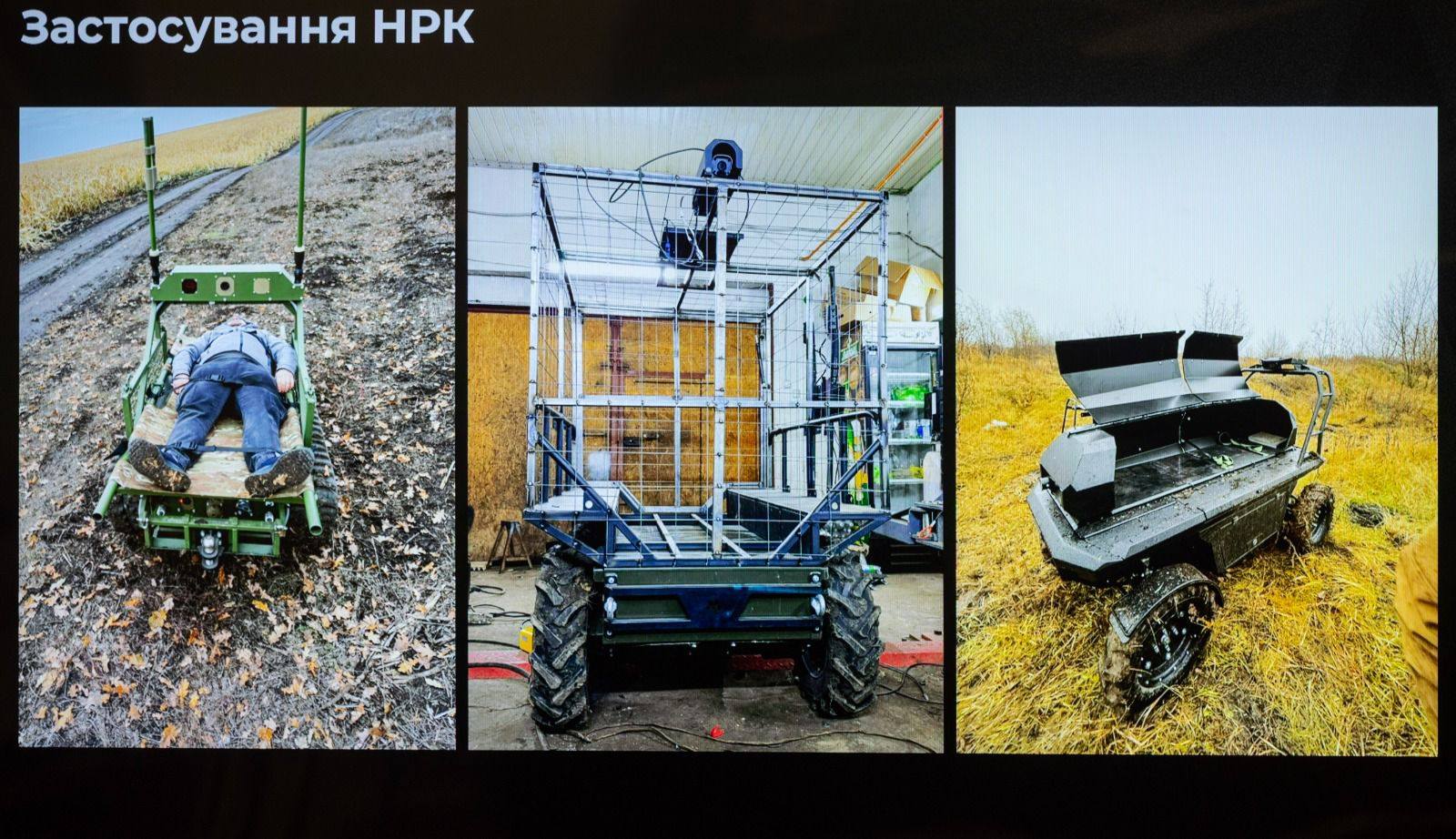
Photo: robotic platforms are becoming key solutions for saving soldiers’ lives (facebook.com/CinCAFofUkraine)
Underground medical stations
The briefing also included a report from the 81st Separate Brigade on the creation of underground stabilization stations.
"This is another effective solution dictated by the realities of war. Properly prepared, camouflaged, and well-equipped underground stations allow medics to work in a focused and safe manner, increasing the chances of saving the wounded. This experience needs to be scaled up," the Commander-in-Chief added.
In addition, the improvement of individual medical kits was discussed, as the speed of their use directly affects the chances of saving lives.
The Commander-in-Chief endorsed the work of specialists from the Advanced Medical Service Center of the 3rd Army Corps.
Following the briefing, the key priorities for the medical service in January 2026 were defined: developing unmanned evacuation, strengthening coordination between units, and deploying a network of reinforced underground stabilization stations along the front line.
Syrskyi on Russian losses
Syrskyi reported on the scale of losses suffered by the Russian army in 2025. According to him, over the course of the year, Ukrainian defenders neutralized hundreds of thousands of enemy troops, which he described as direct evidence of the effectiveness of Ukraine’s Defense Forces.
At the same time, he reminded that since the start of the full-scale invasion, Russia has lost over 1.2 million soldiers in the war against Ukraine, including those killed and wounded.
Amid ongoing aggression, Ukraine continues to strengthen its defense, including developing a layered system to intercept Shahed kamikaze drones using unmanned aerial vehicles.
Despite heavy losses, Russia has not abandoned its plans to seize Ukrainian territory.