EU plans sanctions on Chinese firms accused of aiding Russia's military

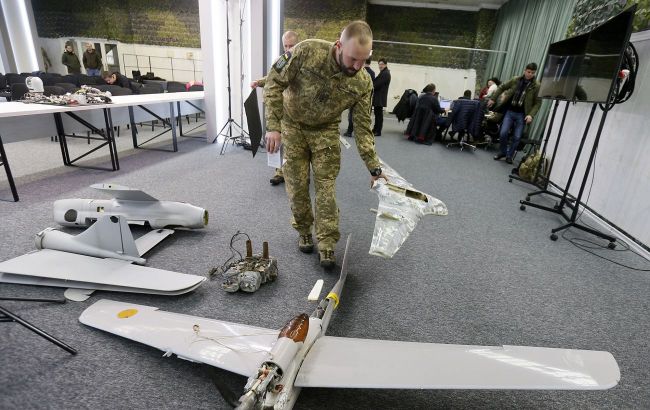 Chinese-made components have been found among parts used in Russian weapons (photo: Getty Images)
The EU is preparing sanctions against Chinese companies that supply Russia with drone components and chemicals for its military. A decision is expected on June 15, Politico reports.
Who could be added to the sanctions list
The European External Action Service is proposing to add four Chinese companies to the sanctions list. According to Politico, they:
-
Service Russia's shadow fleet;
-
Supply chemicals to the Russian military;
-
Deliver components used in the production of attack drones.
In addition to the Chinese firms, the sanctions could also affect five companies from the UAE, three from Türkiye, and one from Azerbaijan. According to the document, all of them facilitate Russian shipping and energy sales. The list could also include Lukoil subsidiaries, as well as dozens of individuals and legal entities.
When and how it could happen
The decision is expected to be adopted on June 15 at a meeting of EU foreign ministers in Luxembourg as part of a "mini-package."
At the same time, a broader 21st sanctions package is being prepared, which will include wider sectoral measures and is expected this summer.
Any EU sanctions require unanimous approval from all 27 member states.
What else is being discussed in the 21st package
Among the key proposals is freezing the price cap on Russian oil, which would otherwise automatically increase in July. The Nordic-Baltic group of countries is also pushing for comprehensive sanctions against Lukoil, Gazprom, Novatek, and Rosneft, as well as the termination of all contracts with Russia's nuclear sector.
New sanctions against Chinese companies would further strain already tense relations between Brussels and Beijing. Despite existing restrictions, Russia still receives 90% of its critical technologies through China, and the EU has so far hesitated to increase pressure on Beijing because of concerns about the consequences.
At the same time, China is threatening reciprocal sanctions against the EU over the "Made in Europe" law, which it considers discriminatory. Against this backdrop, Beijing is accelerating the development of the Trans-Caspian route to Europe, bypassing Russia, potentially costing Moscow billions in transit revenue.