Estonia outlines 5 principles for lasting peace with Russia

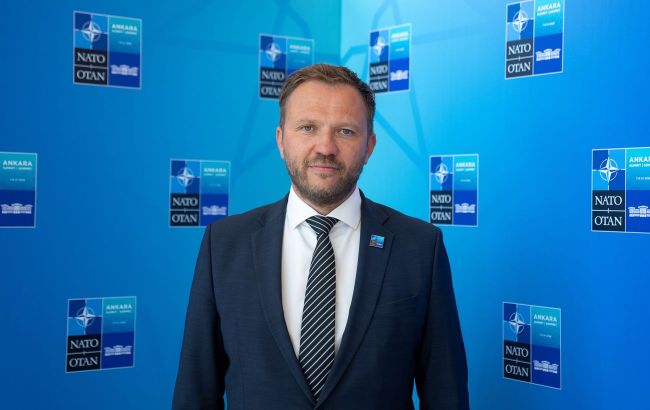 Estonian Foreign Minister Margus Tsahkna (photo: Getty Images)
Against the backdrop of Ukraine's strengthening position in the war with Russia, Russian President Vladimir Putin can no longer hide his desperation. Despite this, Kyiv's allies must not ease pressure on Russia, and any future peace with Moscow must be based on clear principles, Estonian Foreign Minister Margus Tsahkna wrote in an exclusive column for RBC-Ukraine.
According to the diplomat, Putin is still trying to undermine Europe's unity. In doing so, he hopes to buy time and gain at least some leverage at the negotiating table.
Tsahkna believes that Russia must be pushed into a state of total isolation. Moreover, European leaders should rely on five clear principles to achieve a just and lasting peace:
- No recognition of borders changed by force. Europe cannot accept any concession that undermines Ukraine's sovereignty or internationally recognized borders. Any reward for aggression would embolden future violations and erode the foundations of international law.
- Full integration of Ukraine into Europe. Durable peace requires Ukraine's full political, economic, and security integration into the European space. This includes credible mutual security guarantees and rapid progress on EU accession through the opening of all negotiation chapters. Ukraine's security is inseparable from Europe's security.
- Accountability for aggression and war crimes. No peace agreement can legitimize violations of international law or obstruct justice. Lasting peace cannot rest on impunity. Mechanisms such as the special tribunal for the crime of aggression must advance rapidly and secure broad international support.
- Long-term deterrence and containment. Even after the war, Russia will remain a long-term strategic threat. Europe's post-war security architecture must include credible deterrence and containment measures to prevent renewed aggression.
- Conditional future relations with Russia. Any normalization of relations can occur only if Moscow demonstrates genuine respect for international law, fulfils its obligations, accepts accountability, and rebuilds trust through concrete actions rather than rhetoric.
Recently, Lithuanian President Gitanas Nausėda warned about the types of operations Russia is preparing against some European countries.
Also, it was reported that Putin may be planning a provocation involving Ukrainian drones against a North Atlantic Treaty Organization member state.
Moreover, it has become known that Latvia considers a Russian escalation against members of the Alliance possible.