Estonia bans transit of grain from Russia and Belarus through its territory

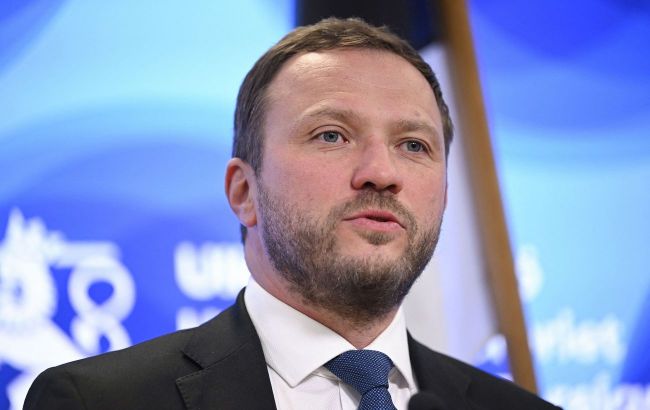 Photo: Estonian Foreign Minister Margus Tsahkna (Getty Images)
Estonia has banned the transit of Russian and Belarusian grain through its territory in response to Russia’s blockade of Ukrainian grain exports, according to Estonian Foreign Minister Margus Tsahkna on Twitter (X).
According to him, Russia is attacking Ukrainian ports, blocking Ukrainian grain exports, and looking for new routes to transport its grain, but Estonia will not provide such a route.
"I warned already in September: do not make plans to transport Russian grain through Estonia. Today, we turned that warning into law," Tsahkna said.
The Estonian foreign minister added that the Baltic states are working together to ensure that their ports do not become a transit route for Russia.
"Russia cannot wage a war of aggression and expect us to help keep its trade flowing. We will not help finance its war or make its aggression easier to sustain," he stressed.
As reported, Russian exporters have begun redirecting grain shipments from the Black and Azov seas to the Baltic Sea amid Ukrainian attacks on Russian vessels and port infrastructure.
The Baltic states have strongly opposed the increase in Russian grain exports transiting through their territories.
What is happening with grain exports
Earlier, we reported that strikes on Russian ports in the Black and Azov seas have practically paralyzed grain exports from Russia. This threatens to plunge farmers into a deep crisis and lead to mass bankruptcies.
At the same time, Ukraine has also faced problems exporting its grain because Russia is actively attacking Ukrainian ports and vessels leaving them or heading toward them.
The European Union is considering new routes to support Ukrainian grain exports. At the same time, drought and logistical problems are complicating agricultural product shipments.
Meanwhile, global wheat prices have surged to their highest level in three years amid the threat of a new escalation of the war in Ukraine. Renewed risks to blocked Black Sea ports are once again forcing the market to prepare for shortages.
In addition, Russian attacks on Ukrainian ports and the blockade of maritime exports pose serious risks not only to current grain shipments but also to the 2027 sowing campaign.