Wheat prices hit three-year high as Black Sea threats grow, Bloomberg reports

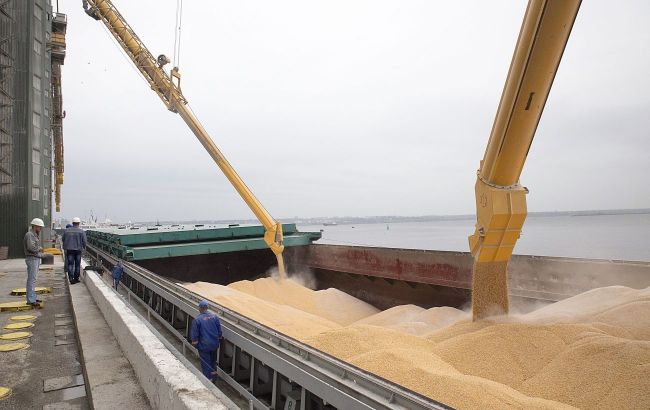 Photo: Wheat prices jumped 18% amid the escalation of the war in Ukraine (Getty Images)
Global wheat prices have jumped to their highest level in three years amid the threat of a new escalation of the war in Ukraine. New risks to Black Sea ports are once again forcing the market to prepare for shortages, Bloomberg reports.
Sharp surge and market situation
According to the outlet, wheat futures in Chicago rose as much as 2.6%, reaching their highest level since July 2023. Prices jumped 6.4% in a single day, while wheat has become 18% more expensive over the past month.
The sharp increase was driven by concerns that Russia is preparing to intensify strikes on Ukrainian infrastructure, further complicating logistics and supplies from the Black Sea region.
Ukraine and Russia together account for more than a quarter of global wheat exports.
"The market is starting to realize that the Black Sea will be with limited exports and that importers need to adjust," said Matt Ammermann, a commodity risk manager at StoneX.
According to him, prices will continue to rise as long as the situation remains uncertain.
How it will affect consumers
Rising grain prices raise the risk of a new wave of global food inflation.
Countries in the Middle East, Africa and Asia that critically depend on cheap supplies from Ukraine and Russia will be hit hardest.
Amid the threats in the Black Sea, buyers are already looking for alternative sources in Australia and Argentina. However, logistics from these countries are significantly more expensive.
"Russia and Ukraine are generally low-cost suppliers, but now that a large percentage of their supply is unavailable, consumers are in a tougher spot," explained Chris Nikolaou, general manager of Advantage Grain.
According to him, if safe shipping in the Black Sea is not restored, prices will continue to rise.
What happened before
The war has already caused significant damage to Ukrainian ports and grain terminals.
According to Ukraine’s Ministry of Agrarian Policy, agricultural exports from Ukraine this season amount to only about half of previous estimates.
Meanwhile, Russian supplies also fell by more than 50% in August compared with last year amid broader logistical restrictions and sanctions.
Export threats and financial support for farmers
Russian attacks on Ukrainian ports and the blockade of maritime exports pose serious risks not only to current grain supplies but also to the 2027 sowing campaign.
A prolonged Russian maritime blockade threatens to trigger a global food crisis, as Ukraine remains one of the key agricultural suppliers to the global market.
To support Ukraine’s agricultural sector amid logistical restrictions, the National Bank of Ukraine has eased conditions for farmers and extended the maximum settlement period for exports of certain products from 120 to 150 days.
The new rules will remain in effect until the end of August 2027 and apply to grains, oilseeds, vegetable oils and processed products.