EU seeks new routes to export Ukrainian grain through Black Sea

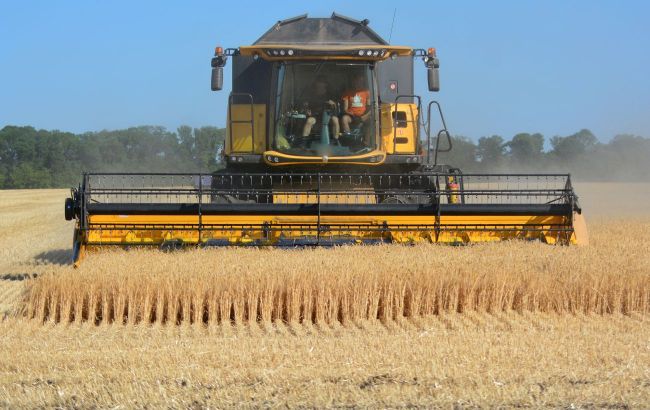 Photo: Russia has caused problems with grain exports (Getty Images)
The European Union is considering the use of new routes to support Ukrainian grain exports. At the same time, drought and logistical challenges are complicating the shipment of agricultural products, according to Bloomberg.
The EU is continuing negotiations with Ukraine and neighboring countries to ensure the stable export of Ukrainian grain. Brussels is considering various route options amid a reduction in shipments through the Black Sea.
One option remains the so-called solidarity routes—logistical routes created to facilitate Ukraine's exports and imports. However, their use is currently hampered by low water levels on the Danube.
What's happening with grain exports
The logistics situation is unfolding against the backdrop of problems in the Black Sea. The attacks have limited exports of agricultural products from Ukraine and Russia.
At the same time, drought is already leading to a decline in agricultural production in EU countries. This is putting additional pressure on the global food market.
Prices for wheat and corn have risen to multi-year highs. The market is being influenced by several factors at once—extreme heat, the geopolitical situation, and weaker harvests.
EU preparing support for farmers
At the same time, the European Commission is working on measures to help farmers cope with the effects of the drought and extreme heat.
European officials are discussing the possibility of invoking force majeure for certain farmers, relaxing some eligibility requirements for funding, and increasing aid as part of emergency fertilizer measures.
There may also be early disbursements of funds under the EU's Common Agricultural Policy.
According to European Commissioner for Agriculture Christophe Hansen, the decline in production in the European Union could ultimately lead to a shortage of agricultural products in other parts of the world.
Meanwhile, the EU continues to seek solutions to support Ukrainian exports, which remain a vital component of the global food market.
Global wheat prices have surged to their highest level in the past three years due to the threat of a new escalation of the war in Ukraine. Renewed risks to the blocked Black Sea ports are once again forcing the market to brace for shortages.
Russian attacks on Ukrainian ports and the blockade of maritime exports pose serious risks not only to current grain shipments but also to the 2027 planting season.