'Earthset' and a solar eclipse: NASA reveals stunning footage from Artemis II mission

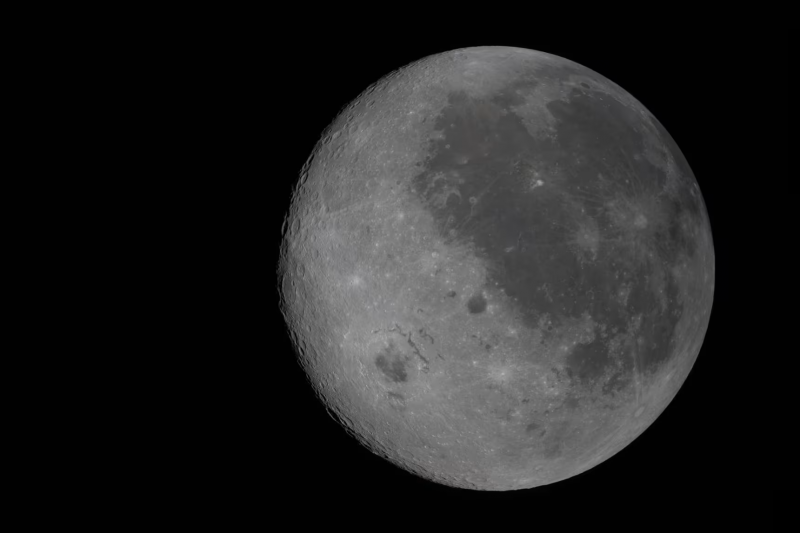
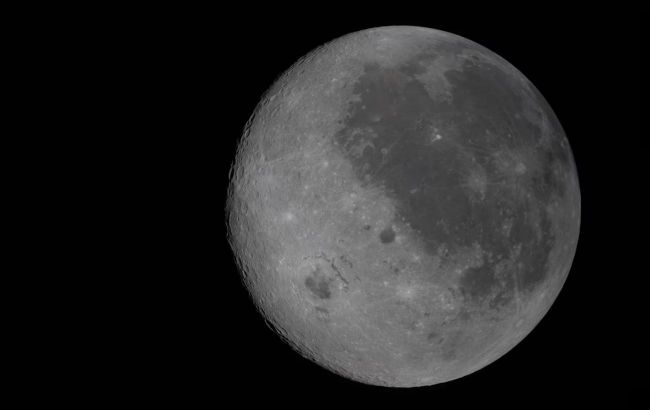 Photo: the far side of the Moon (NASA)
The North American space agency (NASA) has published a series of unique images taken by the astronauts of the Artemis II mission during a seven-hour observation of the Moon’s surface, NBC News reports.
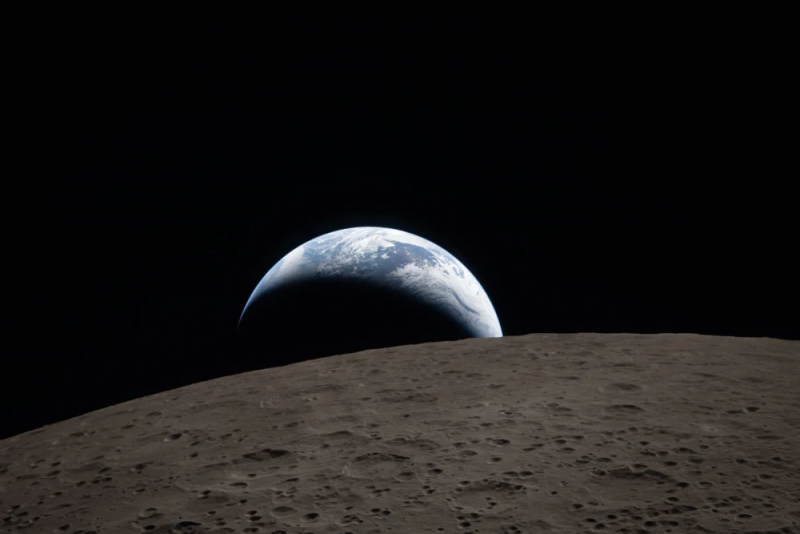
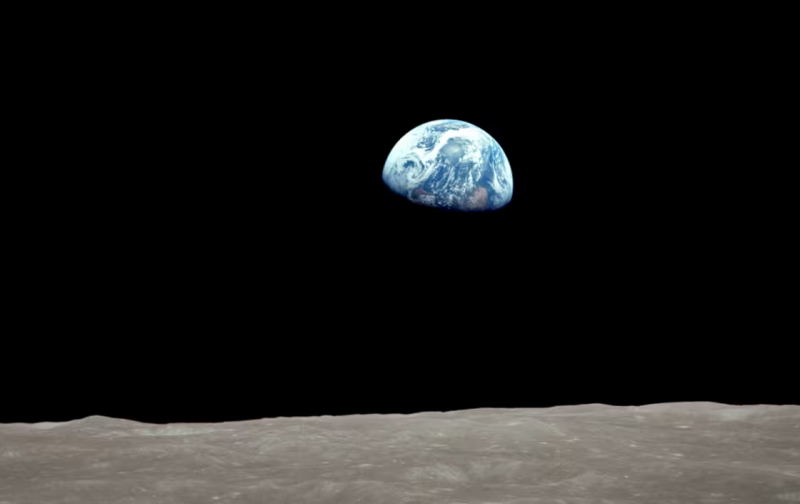
In particular, the astronauts captured a phenomenon known as "Earthset" — when the planet disappeared below the horizon of the far side of the Moon. This photo serves as a kind of response to the legendary "Earthrise" image from the Apollo 8 mission in 1968.
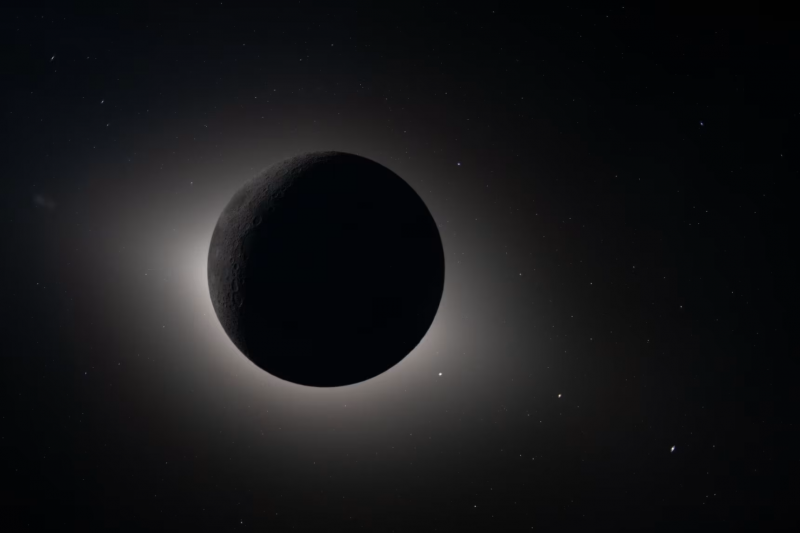
The astronauts also became the first in history to observe a solar eclipse directly from lunar orbit. They witnessed a truly unique event — the Sun completely disappearing behind the Moon’s disk.
The astronauts described it as a dark lunar disk surrounded by a glowing solar corona. According to Victor Glover, the corona resembled "a halo around the entire Moon."
In addition, during the flyby at a distance of about 6,500 km from the surface, the crew documented landscape details that had never been seen by the human eye from such an angle. For example, they were able to see the entire "far side" of the Moon with their own eyes for the first time, including the Orientale Basin (a crater 960 km wide).
On April 3, it became known that a NASA astronaut, during a flight to the Moon, captured a unique image of Earth from the Orion spacecraft. It became the first such shot in 54 years.
This week, humanity successfully returned to the Moon. The crew of the Orion spacecraft, as part of NASA’s mission called Artemis II, flew around Earth’s satellite and is now returning home. For more details about everything known about the mission, see the RBC-Ukraine material.