China lifts African trade tariffs, seeks to outmaneuver Trump — WSJ

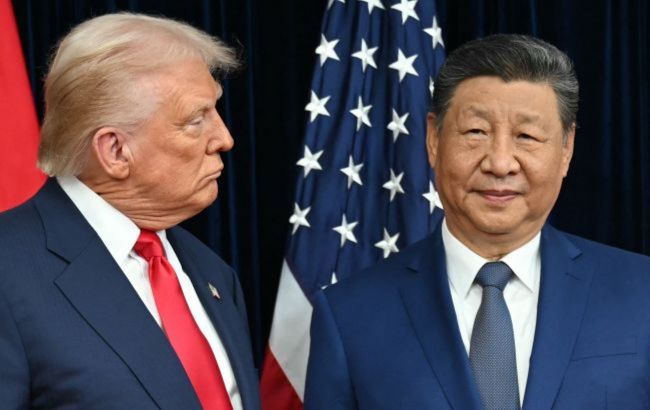 Donald Trump and Xi Jinping (photo: Getty Images)
The US tariff policy under President Donald Trump has made it harder for African countries to export their products to America. China, however, sees an opportunity in these challenges, according to The Wall Street Journal.
Starting May 1, Beijing abolished tariffs on all goods from 53 of 54 African countries, aiming to attract business and expand its influence on the continent. As a result, all products — from wine to sesame seeds and wool — now enter China duty-free from all African countries except tiny Eswatini, which maintains diplomatic relations with Taiwan.
Analysts say the move could bring Africa's population and its vast mineral resources even closer to China. WSJ says many African leaders and citizens have responded positively to Beijing's decision and see China as a model for lifting hundreds of millions of people out of poverty.
The media outlet also notes that China's step could help secure stable supply chains for critical minerals such as cobalt, copper, and coltan.
In addition, it opens new opportunities for Chinese companies to cooperate with African governments on infrastructure, logistics, and manufacturing projects.
Contrast with US strategy, China's advantage
Beijing's initiative stands in sharp contrast to the Trump administration's approach to countries he has referred to as shithole countries.
In 2025, the United States imposed 30% tariffs on South Africa, the continent's largest economy, and 15% on mineral-rich Democratic Republic of the Congo.
Later, Trump introduced a 10% tariff on all countries, although the legality of the move is still under court review.
In conclusion, WSJ notes that China's zero-tariff initiative could help it regain some of its lost influence in Africa. The policy gives Beijing an alternative way to expand its economic footprint.
Trump–Xi meeting
Earlier, on May 14, the second meeting between US President Donald Trump and Chinese leader Xi Jinping occurred in Beijing (the second since Trump's return to office).
Following the talks, the sides agreed to mutually reduce tariffs on certain goods, although the specific products and scale of the changes have not yet been disclosed.
Trump also said he considers easing sanctions on Chinese oil companies that purchase crude from Iran.
In addition, the White House stated that China has committed to purchasing $17 billion worth of US agricultural products over 2026, 2027, and 2028.