Burned up after launch: Russia's Starlink rival runs into trouble again

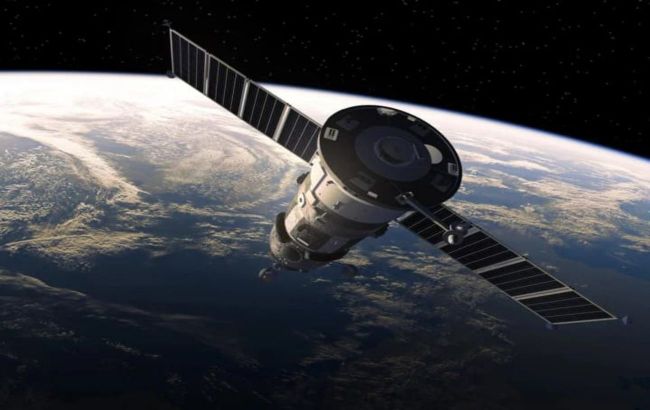 Photo: A satellite from the Rassvet network (open sources)
Russia has lost another satellite from its Rassvet system. The spacecraft reentered the atmosphere and burned up in its dense layers on October 30, having spent just over three months in space after its launch, according to data from the American Aerospace Corporation and Defense Express.
The Rassvet-3 No. 17 satellite was launched on July 19, 2026, from the Plesetsk Cosmodrome as part of the second batch of spacecraft. According to Defense Express, it likely failed to activate its own propulsion system to adjust its orbit.
Due to resistance from the residual atmosphere, the satellite gradually lost altitude until it burned up upon reentering Earth's atmosphere.
This is already the second serial satellite in Russia's Rassvet constellation that Moscow has lost after launch. The first spacecraft, Rassvet-3 No. 4, reentered the atmosphere on June 6. It had been launched on March 23 as part of the first batch.
Problems with orbit and Russia's Starlink alternative
Another satellite in the system, Rassvet-3 No. 23, had also previously begun losing altitude, dropping to approximately 220 km. However, in late October, it resumed maneuvers to raise its orbit.
According to the Latitudinal monitoring project, on October 29, the spacecraft was at an altitude of approximately 296 km and continued to climb.
Rassvet is a Russian low-Earth orbit satellite internet system being developed by the company Bureau 1440. Moscow presents it as an alternative to the American Starlink network.
The system is intended to provide communications, including for military purposes, such as controlling drones.
In 2026, Russia carried out two launches of serial satellites: 16 spacecraft were placed into orbit on March 23 and another 16 on July 19. Thus, a total of 32 satellites have been launched.
Russian authorities had previously announced plans to create a constellation of 350 satellites, with the possibility of expanding it to 900. The start of commercial operations for the system was announced for 2027.
At the same time, the repeated loss of satellites points to technical difficulties facing the Russian project as it deploys its orbital constellation.
It was previously reported on September 1 that the second batch of Russian Rassvet satellites had failed to reach the required altitude in space.
For more information about who is behind Rassvet and its weaknesses, read the RBC-Ukraine report.