Britain is ready to transfer $10.6 billion in frozen Russian assets to support Ukraine

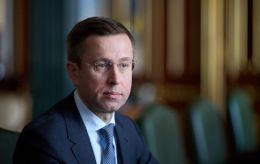
 Photo: UK Prime Minister Keir Starmer (Getty Images)
The UK government is prepared to transfer £8 billion (approximately $10.6 billion) in Russian assets frozen in the United Kingdom to support Ukraine, according to The Times.
The publication reports that UK ministers are prepared to release £8 billion in Russian assets frozen in the United Kingdom and channel them toward supporting Ukraine.
According to The Times, ministers caution that Kremlin leader Vladimir Putin represents an active threat to the safety and prosperity of the United Kingdom. As part of wider international efforts to increase pressure on Moscow, London is positioning itself as a mediator in talks with the European Union and several partner countries, including Canada, which is considering contributing up to £100 billion for Ukraine’s military needs.
The report notes that the funds under discussion could cover more than two-thirds of Ukraine’s financial requirements over the next two years, whether to sustain the war effort or to support reconstruction should a peace agreement be reached.
In London, the plan to use frozen Russian assets held in the UK to finance assistance for Ukraine was discussed during a meeting of NATO foreign ministers in Brussels on Wednesday, as part of negotiations on unfreezing the funds.
However, a government source told the newspaper that the precise mechanism for releasing the $10.6 billion in frozen Russian assets located in the United Kingdom and transferring them to Ukraine has not yet been finalised.
Debate over frozen Russian assets
Recently, the European Commission proposed granting Ukraine a “reparations loan” worth €140 billion, backed by frozen Russian assets held in the EU. Such a move would require unanimous approval by all EU member states. Belgium, which holds the largest share of frozen Russian funds, continues to block the initiative.
Belgian Prime Minister Bart de Wever has warned that the proposal carries serious economic and geopolitical risks. Belgian foreign minister Maxime Prévot added that the current EU plan does not meet Belgium’s conditions, stressing that other member states should cover all potential legal costs if the scheme is implemented. Belgium also wants assurances that EU countries will quickly provide replacement funds should Russia ever need to be reimbursed.
Meanwhile, Politico revealed that German Chancellor Friedrich Merz cancelled a planned visit to Oslo and instead is travelling to Brussels to persuade Belgium to support the €165 billion financing package for Ukraine.