Is Russia ready for peace? Ukraine's deputy intel chief reveals Kremlin's next moves


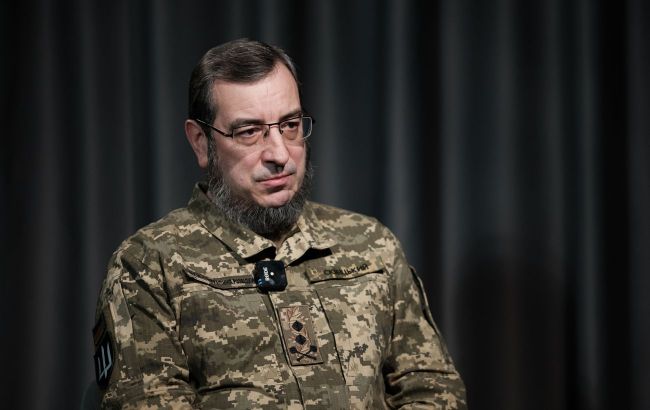 Deputy Chief of Ukraine's Defense Intelligence, Major General Vadym Skibitskyi (photo: RBC-Ukraine, Vitalii Nosach)
Moscow continues its offensive operations and is stepping up attacks on Ukrainian infrastructure. At the same time, the key question for the Kremlin in the coming months is whether it will have enough troops to carry out its plans and achieve its objectives.
What Putin is planning on the battlefield, which targets are at risk of attacks in the fall and winter, whether there is a threat of an offensive from the north, and whether Russia could launch a new mobilization — all this RBC-Ukraine discussed with Vadym Skibitskyi, deputy chief of Ukraine’s Defense Intelligence (HUR), Major General, in the second part of the interview. Read the first part here.
Key points:
- Ceasefire. There are no signs on the battlefield that Russia is ready to halt the fighting and begin negotiations. Russia does not plan to reach agreements or sign a peace deal by the end of the year.
- Fall-winter strike campaign. Russia will continue to target the defense industry, military facilities, energy infrastructure, logistics, and gas stations. In winter, electricity and heating will remain the most vulnerable areas, while gas infrastructure could also come under attack.
- Mobilization in Russia. HUR does not rule out Putin launching a new wave of mobilization after the elections. Given the heavy losses, Russia cannot form new military formations without one, including turning existing brigades into divisions.
- Offensive from the north. In theory, Russia could launch offensive operations from the north this year. However, there are currently neither the conditions nor indicators of preparations for such an operation, nor the troops needed to carry it out. If Russia does launch a mobilization, it could form a strike force by around February, at the beginning of next year.
- Manpower problems. Russian military losses have already exceeded the number of troops recruited under contract in a single month. In July, losses amounted to at least 40,000 killed and wounded, while around 39,000 people signed military contracts.
On the battlefield, Russia shows no signs that it intends to stop the war. Moscow is instead stepping up its strikes and continuing offensive operations, trying to advance toward its objectives by the end of the year.
We discussed the current tactics behind Russian attacks and the arsenal of missiles and strike drones being used in the first part of the interview with Major General Vadym Skibitskyi, deputy chief of Ukraine’s Defense Intelligence.
In this part, we discuss what Putin wants to achieve by the end of the year, whether Russia will launch a new mobilization, how realistic the threat of an offensive from the north is, and how Ukrainian strikes against targets behind the front line are affecting the enemy.
— Recently, the Presidential Office said that President Volodymyr Zelenskyy was offering Putin an air truce, an end to strikes on energy infrastructure, a freeze of the war along the front line and the launch of difficult negotiations, and that he was also ready for a meeting. The President has previously made similar statements in various speeches and remarks. What does intelligence tell us about Moscow's intentions?
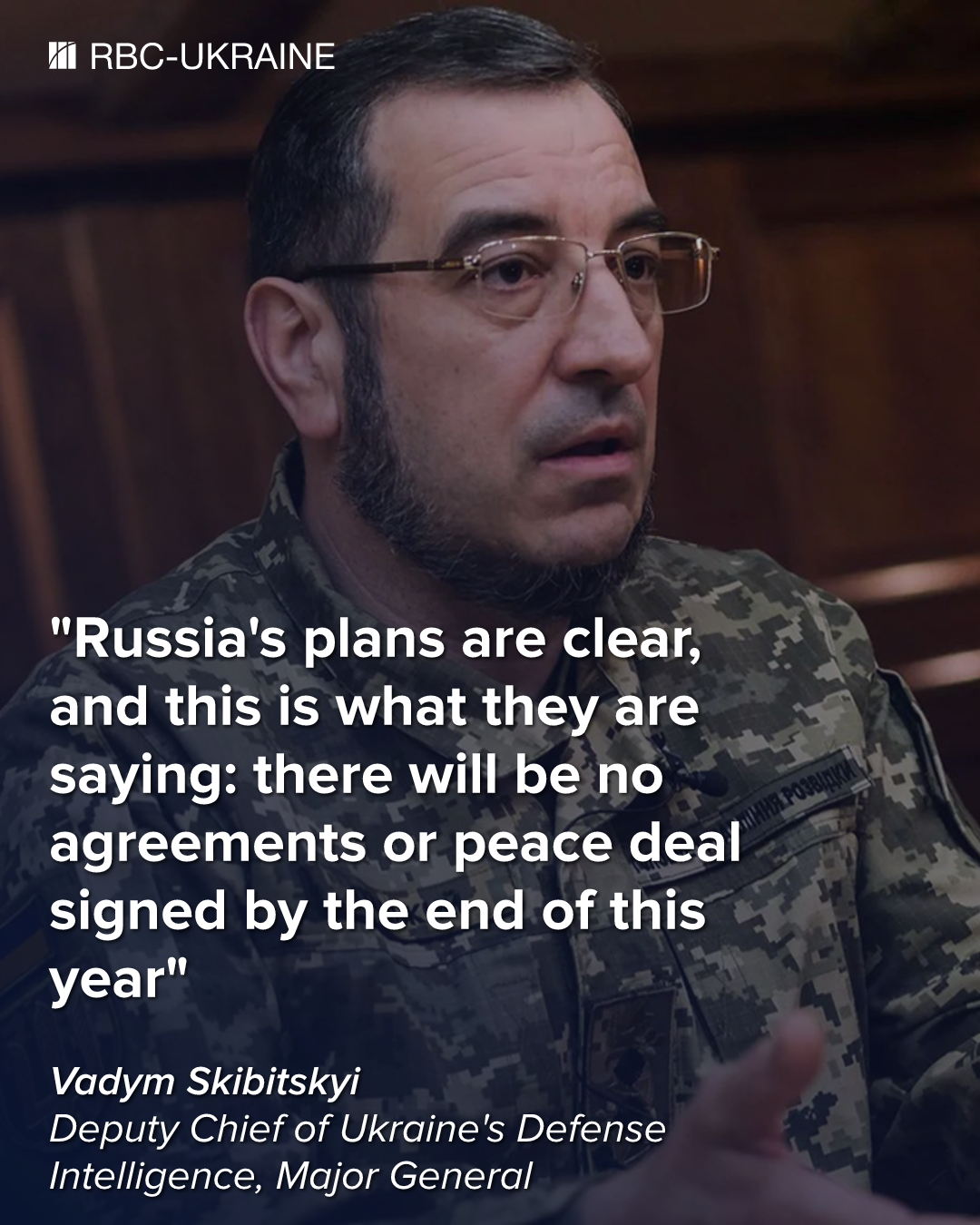
— Analysts at HUR base their assessment on the fact that there are no signs on the battlefield indicating Russia is ready to cease fire and begin meaningful negotiations. Their plans are clear, and this is what they are saying: there will be no agreements or peace deal signed by the end of this year.
Putin wants to achieve the goals he has set for himself — first and foremost, control over the Donetsk and Luhansk regions. Their General Staff's plans call for completing the capture of the Donetsk region by the end of this year.
— What should we prepare for in terms of strikes in the fall and winter? What could Russia's tactics look like, and which targets will it focus on?
— According to intelligence, the targets will remain the same: the defense industry, military facilities, energy infrastructure, the logistics system and gas stations. As we can see now, they are striking not only military but also civilian targets. In winter, our most vulnerable areas are electricity and heating, so they could also be targeted.
For example, not long ago, the Russians developed a drone designed to strike power transmission towers and lines. Its wings contain an explosive element capable of cutting through metal.
We draw our conclusions from analyzing the enemy's intelligence-gathering activities on our territory, including the use of satellites conducting reconnaissance of critical infrastructure facilities across Ukraine.
Deputy Prime Minister Denys Shmyhal recently warned about risks to the water supply, and that threat is real. It is one of the critical elements.
In addition, our gas transmission system and gas production in the Poltava and Kharkiv regions could once again come under threat in the fall and winter. The enemy has already attacked these facilities before.
— What about the bridges across the Dnipro? Are they part of their plans?
— They are also critical infrastructure, which is why we understand how important it is for Ukrainian military intelligence to obtain advance information about the aggressor’s plans in this area.
Russian forces have recently been striking bridges in frontline regions — in the Sumy, Kharkiv and Chernihiv regions. They are systematically attacking critical bridges in Zatoka and Mayaky in the Odesa region, which are extremely important elements of our transportation system.
When a target becomes most critical to us, that is when the enemy starts working on it.
— Does HUR see signs that Russia is preparing for a new offensive operation from the north, either in the Chernihiv or Kyiv region?
— It will depend on mobilization in Russia, and we will only see whether there will be mobilization after the elections. Indicators and intelligence signs of mobilization measures will emerge; it is impossible to carry out covert mobilization nowadays. But the enemy is ready for it one way or another, because Putin still has a decree in force dating back to 2022.
Before the elections, they will try to demonstrate gains in the areas where they can make progress. After that, there could be mobilization.
— So, is an offensive toward the Kyiv or Chernihiv region possible this year?
— The Russians have experience carrying out such mobilization, and we understand how it works. They began partial mobilization in the second half of October 2022. Combat units that actually could enter the fight were at the front by January 2023, with some arriving as early as December.
Let's remember when they launched their offensive on Kyiv — February 24, 2022.
So if the aggressor launches a new wave of mobilization this year, they could prepare a powerful strike force by around February, at the beginning of next year. And that does not rule out the Russian command launching such an operation in February, given Putin's fondness for symbolic dates.
But these timelines will depend on how many people they mobilize and whether there will be mobilization at all.
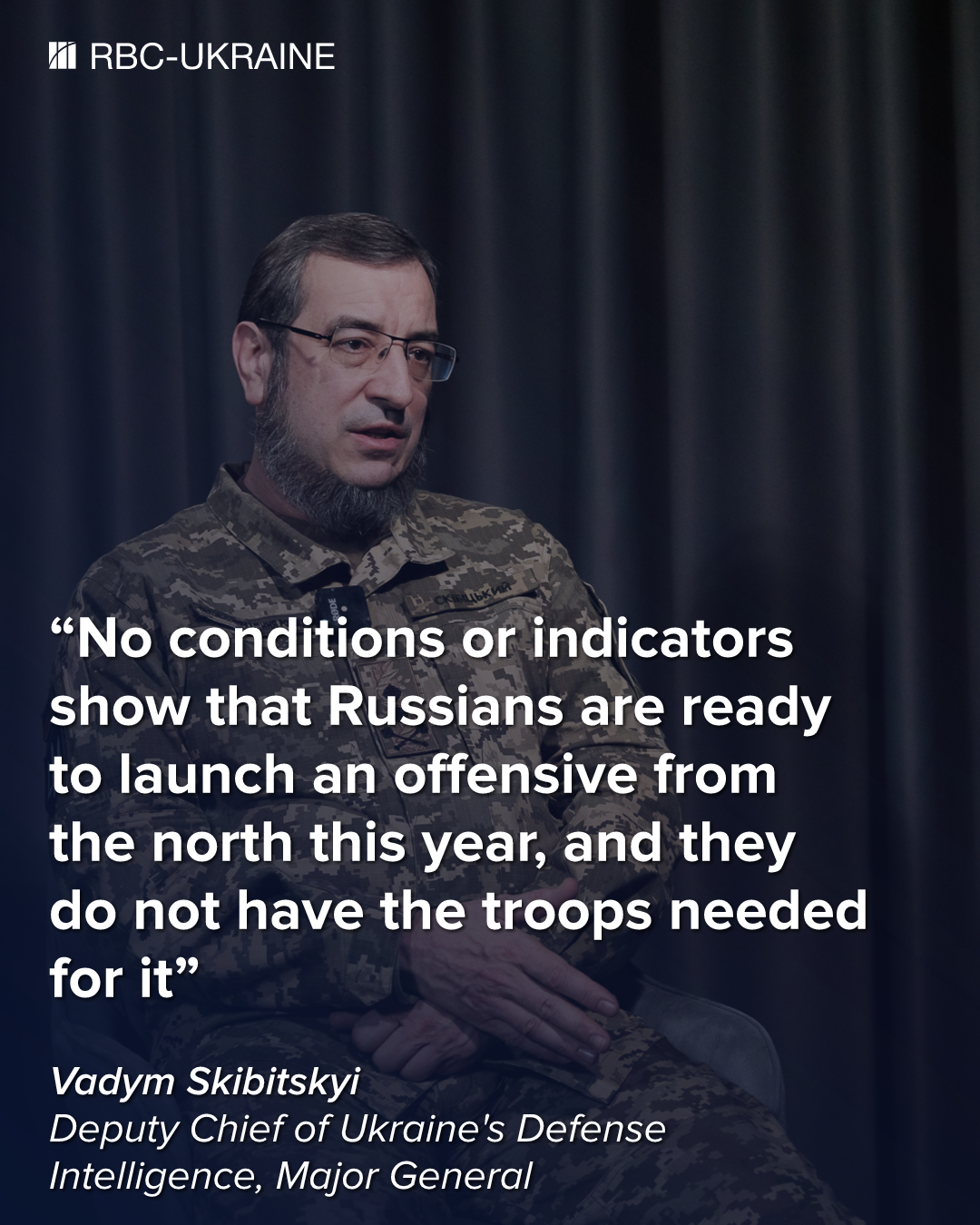
Could the enemy launch an offensive from the north this year? Theoretically, yes. But in practice, no conditions or indicators show that they are ready for such an operation, and they do not have the troops needed for it.
According to HUR data, the enemy's military losses currently exceed the number of troops it recruits under contract each month. For example, their total losses in June were around 39,000, of whom about 60% were killed or missing, while in July losses amounted to at least 40,000 killed and wounded. At the same time, 36,000 people signed contracts with Russia's Defense Ministry in June, and around 39,000 did so in July.
— How large is the Russian force fighting against Ukraine?
— It consists of 670,000 troops in the combat component and 65,000 personnel in the operational reserve. That figure has remained almost unchanged.
— So, one way or another, do they need mobilization?
— Without mobilization, they cannot form new military formations. The Russian command plans to turn existing combat brigades into divisions, but there is not enough personnel to do so.
The Russians have also run into problems staffing their unmanned systems forces. Their military command assumed that all the students would rush to join, but in reality, they have achieved only 30% of their recruitment target for the Unmanned Systems Forces. They are trying to pull personnel from other branches and services, but overall, recruitment is falling short.
According to military intelligence, Moscow has set a target of recruiting 409,000 people this year. Putin has also signed a law narrowing the list of crimes that prevent people from signing military contracts.
Essentially, the restrictions now apply only to "traitors to the motherland," pedophiles and those convicted of political crimes. Everyone else — murderers, rapists, members of organized crime groups and drug dealers — can sign contracts. So far, 28,000 people from these categories have already signed contracts.
And as a rule, the Russians increase their contract recruitment targets in the second half of the year. Recruitment has slowed somewhat at the moment — it is at around 98% of the target — but that is the share of people who have signed contracts voluntarily.
— If there is mobilization, will it also be voluntary rather than forced?
— There is no democracy there. Everyone will go into the army — you'll see.
— How are our middle- and deep-strike attacks affecting Russia?
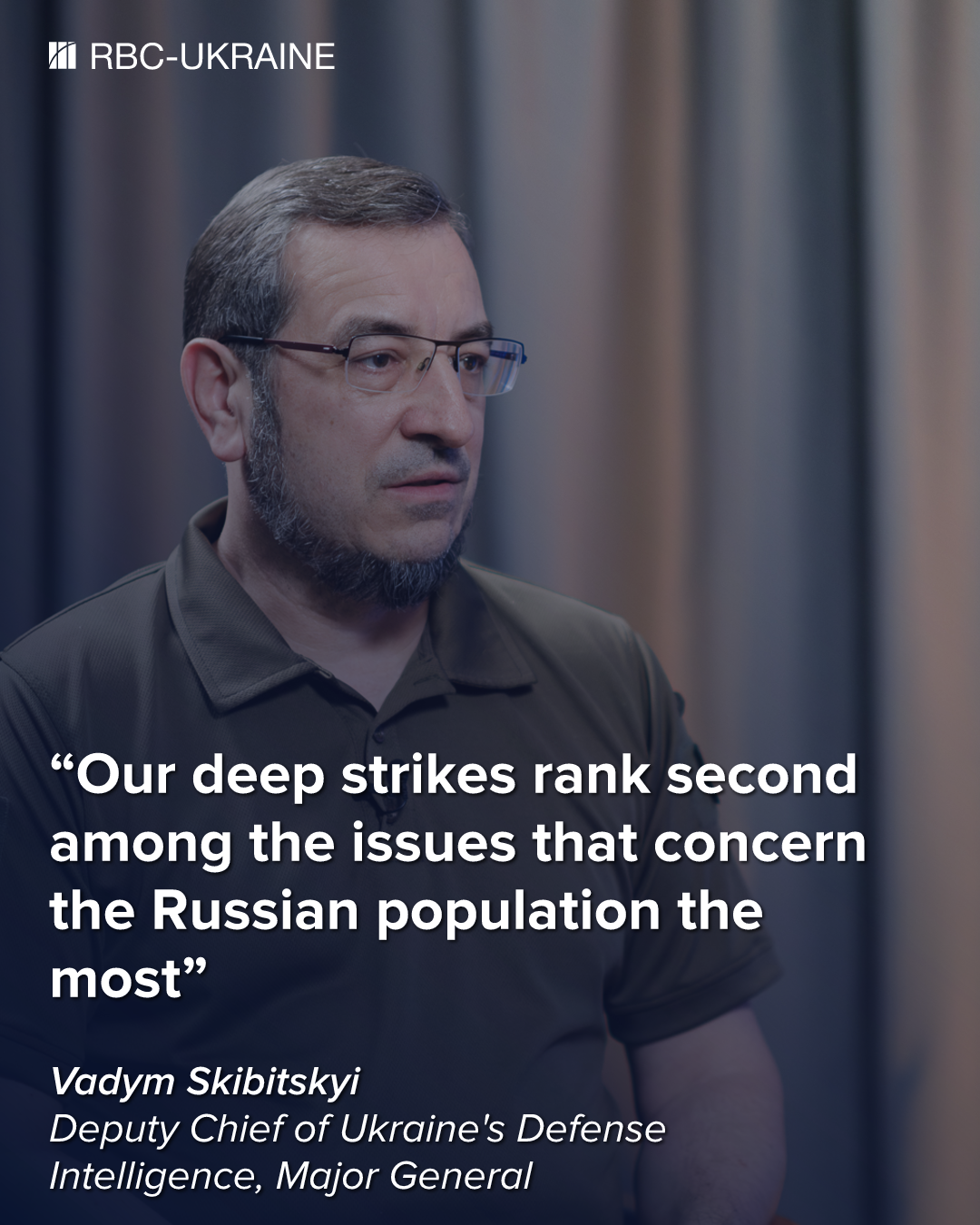
— What does the Putin regime fear right now? Our deep strikes rank second among the issues that concern the Russian population the most. The top concern is the standard of living. That's without even mentioning how our attacks on Russian oil refineries have reduced government and big-business revenues. Now they have a problem with how to export crude oil.
When our deep strikes ranked second in opinion polls, that is evidence of their real impact.
As for middle strikes, they are disrupting the entire logistics network in Crimea and the occupied territories in the south. HUR units are destroying the systems that previously prevented us from carrying out precision strikes against enemy military targets — Russian radars, air defense systems, elements of military command-and-control and weapons systems, for example. Under our circumstances, this is one of the most effective ways to counter an enemy as powerful as Russia.
— What military threats from Russia to NATO countries does HUR consider the most realistic, and on what timeline?
— At this point, we consider so-called asymmetric threats — hybrid operations — to be the most realistic. Since the spring, Alliance countries have been dealing with unidentified drones. Romania and Poland have now at least begun shooting down these targets. At the same time, narratives aimed at discrediting "NATO" weapons are spreading in the information space.
In addition, political movements and civic organizations loyal to Moscow are gaining momentum.
These are all hybrid measures being carried out by Russia. But if we look at theory and history, they usually precede military action. In other words, this is one of the indicators that could point to preparations for a conflict.
Russia's plans envisage preparing for a war with NATO countries by 2030. The Alliance has also openly said that by 2030, Russia will be capable of carrying out more active military operations against NATO member states. That is why NATO countries are adjusting their budgets, conducting combat training, expanding defense-industry production, and holding exercises to get prepared for a military conflict with Russia using modern approaches.