When will Washington unblock Iran's ports? US Navy admiral names condition

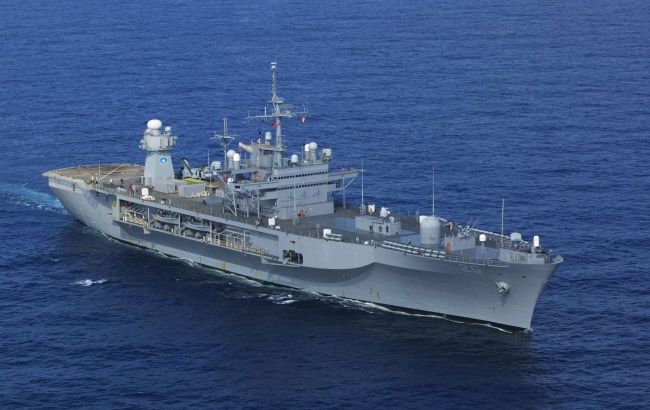 Photo: US Navy ship (Getty Images)
The naval blockade will remain in effect until further orders from President Donald Trump. US forces in the Middle East currently maintain full control over coastal areas, preventing cargo from entering or leaving Iran, according to The New York Times.
"As the President announced earlier today, US forces in the Middle East continue to fully enforce the maritime blockade against ships entering or exiting Iranian ports in coastal areas," Admiral Brad Cooper, head of US Central Command, said in comments to reporters.
The admiral emphasized that the restrictions will remain in place "until further notice."
The outlet noted that more than a dozen US Navy ships are currently stationed in the Gulf of Oman, forming a tight interception line that blocks commercial cargo.
The admiral said that 19 tankers and cargo vessels linked to Iran have been forced to change course. US forces contacted them by radio and instructed the captains to return to port. Iranian naval forces have not yet provided armed escorts for their convoys.
According to Cooper, US intelligence is operating around the clock, with analysts monitoring "several vessels of interest." These include ships both inside and outside the blockade zone that may attempt to bypass it.
However, the operation is not limited to the Middle East. Chairman of the Joint Chiefs of Staff General Dan Caine said the area of control is being expanded, with particular attention to the Indo-Pacific region.
US commanders will "actively pursue any Iranian flagged vessel or any vessel attempting to provide material support to Iran."
What led to these developments
Earlier today, Iran announced the reopening of the Strait of Hormuz. Tehran took this step amid a halt in strikes on Lebanon and a 10-day ceasefire.
There were also reports of significant progress in negotiations between the United States and Iran. At the next stage, the parties may sign a memorandum of understanding, after which they aim to reach a full agreement within approximately 60 days.
Oil markets reacted immediately to the positive news from the Strait of Hormuz and the potential US-Iran deal. The price of Brent crude fell below $90 per barrel, effectively erasing gains recorded earlier this week.