War could end in 2026 as Russia fears mobilization - Zelenskyy

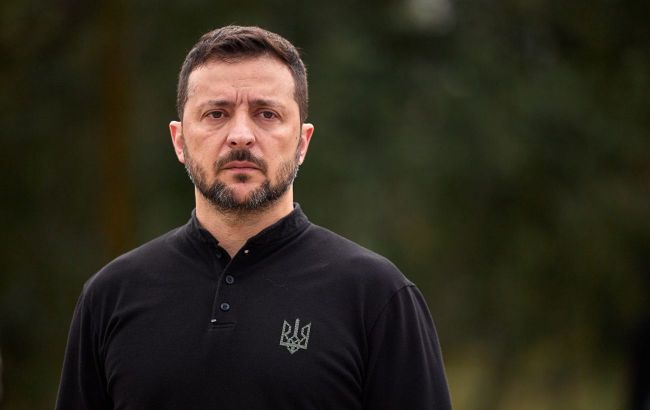 President Volodymyr Zelenskyy (photo: president.gov.ua)
Russia's war against Ukraine could end in 2026, as the size of the Russian army has stopped growing for the first time, Ukrainian President Volodymyr Zelenskyy said in an interview with Fox News.
According to him, in previous years, Russia mobilized about 43,000 people per month through contract service, but in 2025, the situation changed. For the first time, the number of recruits in the Russian army has equaled the number of losses, causing the overall size of the forces to stop increasing.
"This year, for the first time, the number of mobilized people and the number of losses are the same. So this year, 2025, was the first time the number of their army stopped increasing. So we think that in 2026, God bless us, we will stop the war. Otherwise, Putin will decide to mobilize people. So now he has contracts because his nation doesn't respect mobilization," Volodymyr Zelenskyy said.
Mobilization in Russia
Due to heavy losses in the Pokrovsk sector, the Russian command began forming assault units made up of women.
There were also reports of mass recruitment of reservists in Russia, allegedly to guard critical infrastructure facilities. The creation of such units has begun in at least 20 regions of the country.
At the same time, the Institute for the Study of War (ISW) notes that under this pretext, the Kremlin is effectively carrying out forced partial conscription as part of forming a so-called active reserve. Despite official statements about protecting strategic facilities, these reservists are being prepared to take part in combat operations against Ukraine.
In addition, Russian authorities are trying to legalize the forced mobilization of residents of temporarily occupied Ukrainian territories. Russian lawmakers have passed a law allowing conscription throughout the entire year — from January 1 to December 31 — formally extending it to occupied Ukrainian regions as well.