Volkswagen could start making air defense missiles

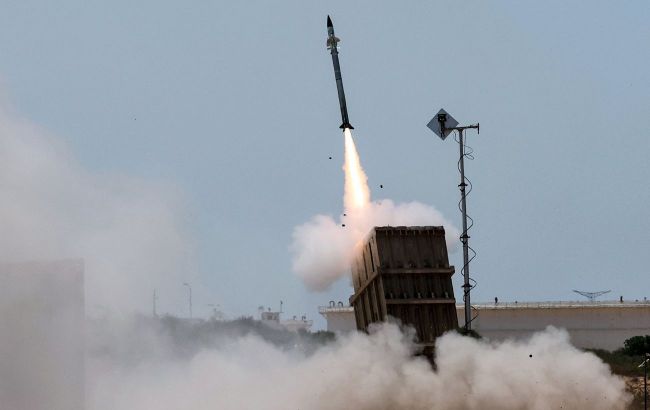 Iron Dome (Photo: Getty Images)
German automotive corporation Volkswagen is holding talks with Israeli company Rafael Advanced Defence Systems regarding a potential production transformation that could save thousands of jobs, reports Financial Times.
Negotiations on production change
Volkswagen is considering converting the Osnabrück plant, which had previously faced the threat of closure.
The plan involves shifting from automobile manufacturing to producing components for air defense systems, including elements of the Iron Dome system.
According to sources, such a move could become one of the most striking examples of the convergence between Germany’s automotive industry and the defense sector amid falling revenues and intensifying competition.
Job preservation and government support
The companies aim to secure approximately 2,300 jobs. “The aim is to save everybody, maybe even to grow,” one of the interlocutors noted.
The German government supports the initiative. Production could begin within 12 to 18 months if employees agree to the change in the nature of their work.
What will be produced
The plant plans to manufacture cargo platforms for transporting missiles, launchers, and generators.
The missiles themselves will not be produced on site - a separate facility will be set up for that.
It is noted that the transition will require limited investment and is based on combining proven defense technologies with Germany’s industrial base.
Context and prospects
The initiative is being discussed against the backdrop of Europe’s large-scale rearmament and rising German defense spending, which could exceed €500 billion by the end of the decade.
Rafael hopes to promote the system on the European market, despite expert debates over its effectiveness against long-range threats.
For Volkswagen, this is also an attempt to find a solution for the plant where car production is set to end as part of cost optimization efforts.
Iran’s new supreme leader, Mojtaba Khamenei, has agreed to hold talks with the US.
The US finds itself in a strategically difficult situation: despite thousands of strikes, Iran has effectively blocked up to 20% of global oil supplies, while internal contradictions within the White House are intensifying ahead of the fall elections, creating additional challenges for Donald Trump and raising questions about whether he can overcome them and what the implications will be for Ukraine.